


Asia Pacific’s diversity creates unique challenges when it comes to sustainable packaging, but as environmental pressures mount, the region is reaching a tipping point. Spencer Ball, Creative Director at Marks, examines this complex landscape and explains why brands must act now or risk being left behind.
HOW SUSTAINABILITY IS RESHAPING APAC’S PACKAGING AND MANUFACTURING LANDSCAPE
When it comes to sustainability, Asia Pacific (APAC) defies simple solutions. This isn’t a uniform region with a standardised approach – it’s a patchwork of markets at vastly different stages of development.
Some countries are powering ahead with green initiatives, backed by impressive recycling systems; others lack even basic waste management infrastructure. And critically, there are no common regulatory guard rails spanning these markets. This disparity makes achieving any scalable sustainability impact difficult, both for global brands and regional businesses with multiple export markets.
These problems have real commercial consequences. For instance, Marks recently worked with a water brand that wanted to introduce a biodegradable bottle.
The problem? It required commercial composting facilities, which Malaysia had none of at that time. Even if the infrastructure had existed, the brand couldn’t expand the initiative across other markets like Thailand or Vietnam because the regulations and specifications differed so dramatically.
For a brand, this lack of scalability means it can’t amortise its initial investment, creating a financial disincentive.
Then there’s the consumer expectation gap. In APAC, as with many other regions, there’s still a disconnect between what people say and what they do. Whilst sustainability is an increasingly hot topic, some consumers still expect pristine packaging, especially when they have paid a premium.
This is particularly true in developing markets where, if you’ve saved up a significant portion of your income to buy a branded product, you expect world-class packaging to match. It’s just part of the value perception.
REACHING A TIPPING POINT
Sustainability challenges are starting to have visible economic impacts, which are forcing action.
Public pressure is growing and becoming impossible to ignore because it’s affecting major revenue streams like tourism as well as putting pressure on communities. In countries like Indonesia and the Philippines, for example, we’re seeing an increase in pressure groups protesting plastic pollution, which is rife.
There’s also a concerted pushback against ‘sachet culture’ where products are sold in tiny, single-use sachets, a strategy introduced by brands to sell more products to low-income consumers, replacing an existing tradition (tingi) which saw shoppers use glass bottles and jars as reusable containers.
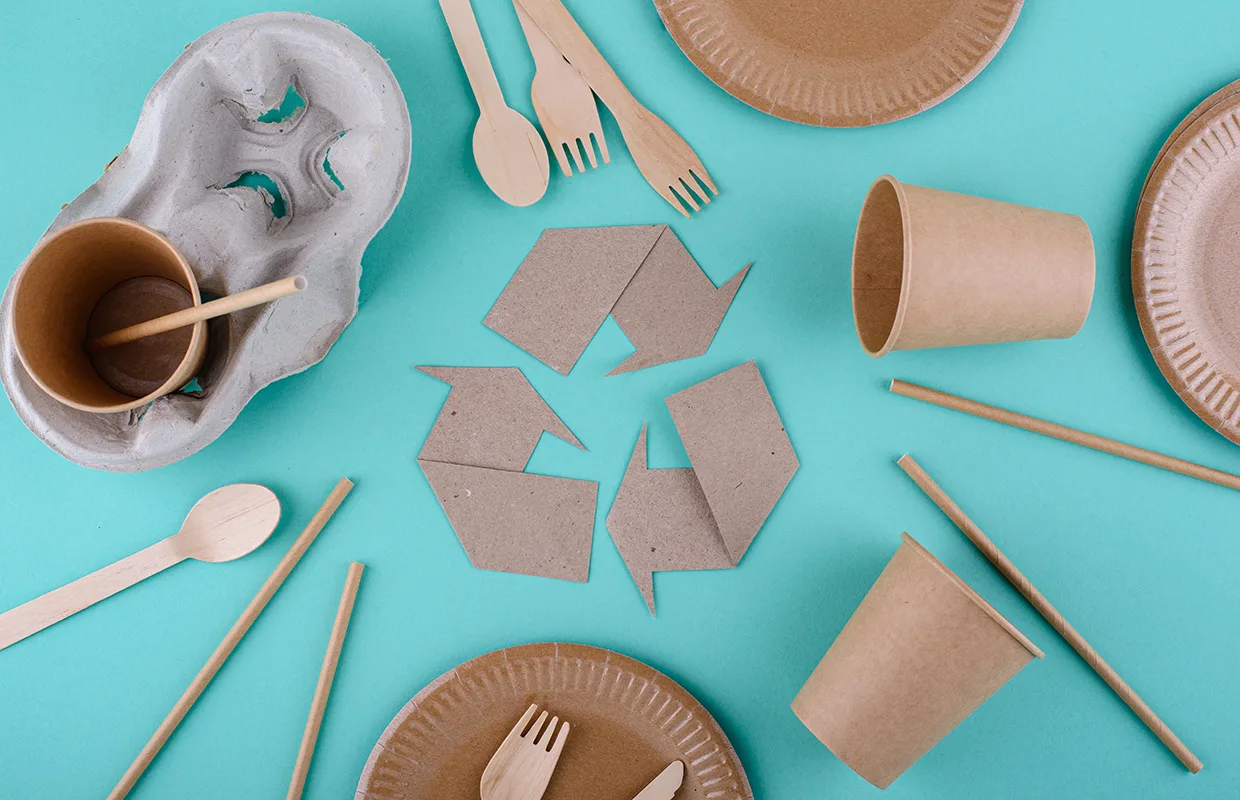
This growing discontentment with unsustainable packaging and plastic pollution has catalysed some fascinating innovation, particularly at the grassroots level, whilst brands and retailers of all sizes are also seeking new ways to reduce environmental harm.
Nevertheless, Marks is seeing initiatives to reduce single-use plastics: refill stations at mom-and-pop stores in rural locations and movements encouraging people to bring their own containers.
Meanwhile, many countries are reconnecting with their roots to find solutions, as evidenced by the growing popularity of traditional tiffin containers for carrying food. There’s also been an increase in sustainability-led start-ups and entrepreneurs across APAC investing in packaging and product innovation.
The industry has also witnessed an increase in R&D spending when it comes to alternative packaging materials. In Indonesia, for example, Seaweedtama Biopac creates seaweed-based ‘plastics’ that dissolve in water.
Innovation is also abundant in product development, removing the need for unsustainable packaging. Shampoo bars are a great example of this, with companies using existing or novel designs for these products to add to the value proposition.

BRIDGING AMBITION AND REALITY
At Marks, we help brands operating in APAC to achieve their circularity and sustainability goals in a number of ways. Because we’re involved in both the creative upstream and technical production stages, we design with the end in mind.
Even when conceptualising new packaging, we’re able to help brands make choices about materials and production – and we know what’s actually possible because we work closely with printers.
We also have the ability to advise on budget allocation and identify packaging or process changes that generate cost savings, freeing up budget for sustainability outcomes such as reducing bottle cap weight.
We’re also investing in technology, including a lifecycle assessment tool and an artificial intelligence (AI)-based tool that aggregates packaging data and analyses it to predict outcomes, such as the likelihood of consumer acceptance, recycling potential by region, and future value.
The other crucial element we can assist with is communication, as we often find brands doing something genuinely sustainable without realising the market value. We’re able to help businesses communicate the fantastic things they are doing through on-pack call-outs and improved brand narrative.
PREPARING FOR RAPID CHANGE
Most Asian countries now recognise that packaging and waste management need urgent attention. Environmental degradation is headline news, and climate change effects are bearing down hard.
As these consequences intensify, public pressure is only going to grow, especially as tourists see what major brands are doing in Europe, return home, and wonder why those same brands aren’t doing similar things locally.
Given the current political climate, it’s also likely that Southeast Asian nations will collaborate more closely over the coming years, which could accelerate standardisation. This is good news for brands but regulatory change in this region can be sudden (Thailand’s plastic bag ban gave retailers a month’s notice, causing chaos).
To stay ahead, brands need to start thinking about solutions today. After all, they could be on your doorstep tomorrow!