


A new partnership between Dassault Systèmes and OMRON Corporation is targeting one of manufacturing’s most persistent challenges: the disconnect between digital design and shopfloor execution.
IT/OT convergence and virtual twin technology
The two companies announced a collaboration to integrate virtual twin technology with industrial automation, enabling manufacturers to design, simulate, and operate production systems through a unified digital and physical environment.
The partnership addresses a common issue across industrial environments, where “product design, automation, and production systems operate in silos,” leading to “longer commissioning times, higher error risks, and limited flexibility.”
By linking 3D design and simulation with real-world equipment such as robots and sensors, the companies aim to replace fragmented systems with a more connected, software-defined manufacturing model.
Virtual twins enable pre-validation and continuous optimization
At the core of the collaboration is the integration of Dassault Systèmes’ 3D UNIV+RSES platform with OMRON’s Sysmac automation platform.
This enables the creation of a “Virtual Twin of Production Systems,” allowing manufacturers to “test a new production line, validate robot behavior, or optimize logistics flows—prior to building anything physically.”
The approach extends beyond initial deployment. Once production lines are operational, real-time data from sensors and controllers feeds back into the virtual environment, enabling comparison between simulated and actual performance, as well as predictive maintenance and ongoing optimization.
From automation to autonomy
For Dassault Systèmes, the partnership reflects a broader shift toward intelligent, adaptive manufacturing systems.
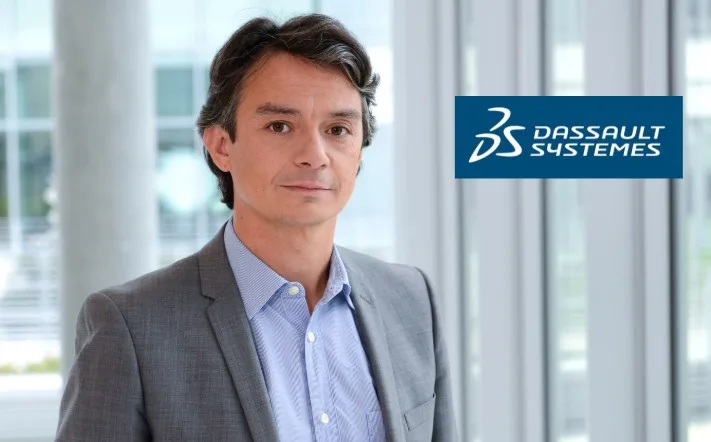
“Manufacturing is entering a new era. With OMRON, we are building living production systems, AI-driven, self-improving, and software-defined, where the virtual and physical worlds are fused into one continuous loop of learning,” said Pascal Daloz.
“Our industry world models transform complexity into intelligence, making factories not just automated, but autonomous. This is how we reinvent industrial systems, from reactive to predictive, from rigid to adaptive and define the next frontier of manufacturing.”
Delivering a unified IT/OT manufacturing model
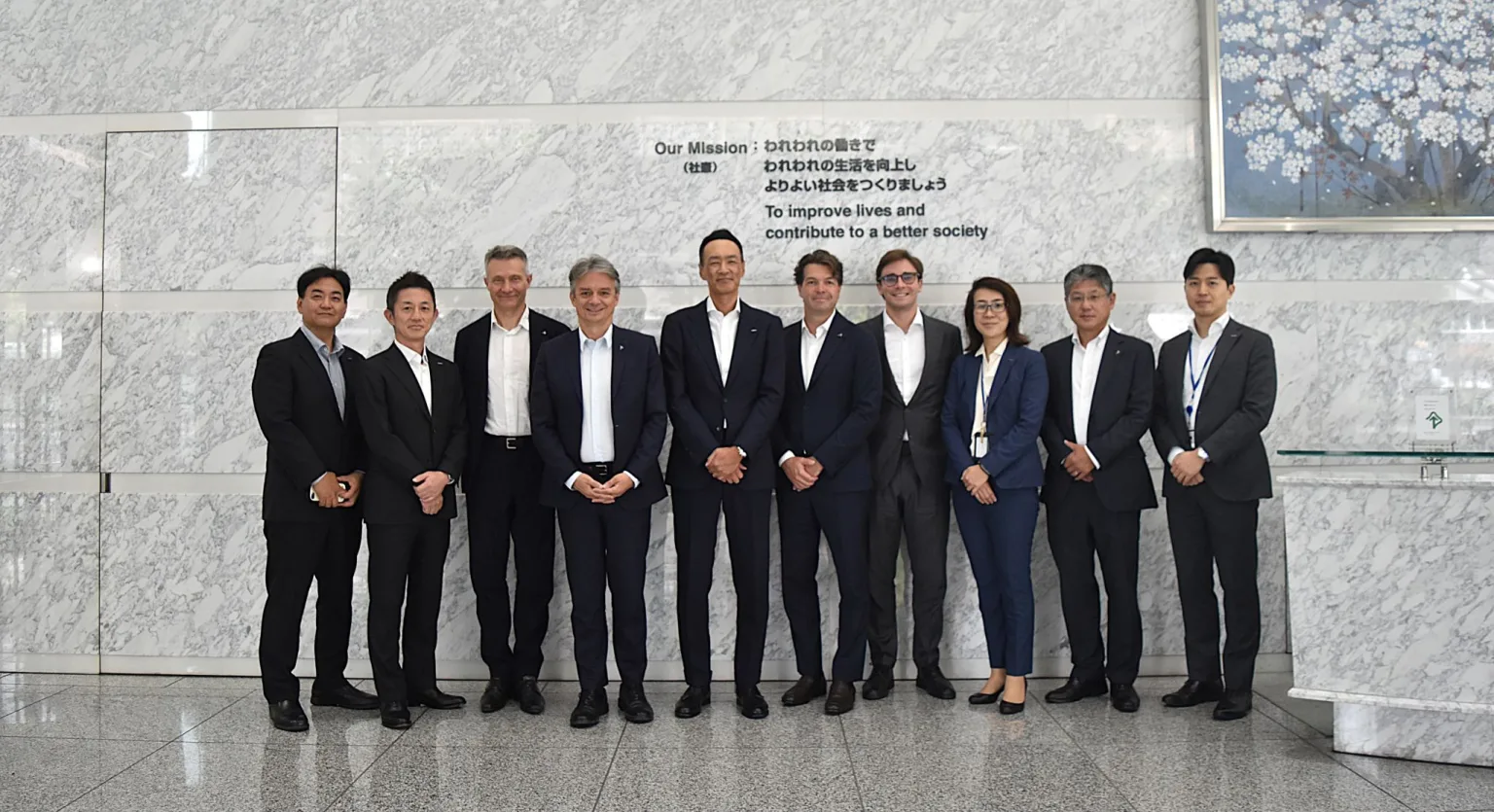
For OMRON Corporation, the collaboration strengthens its ability to deliver integrated solutions spanning both operational and information technologies.
“Our partnership with Dassault Systèmes strengthens our ability to integrate the OT and IT worlds and provide customers with a holistic solution from simulated to fully implemented, intelligent production,” said Motohiro Yamanishi.
Toward a continuous digital manufacturing loop
By converging IT and OT systems into a continuous digital loop, the partnership is positioned to help manufacturers reduce errors, lower costs, and improve flexibility across increasingly complex production environments.
The combined platform enables a lifecycle approach—from simulation and validation to real-time optimization—marking a shift toward fully connected, AI-driven manufacturing systems.
This article was produced by the editorial team at Manufacturing Outlook and published as part of the Outlook Publishing global network of B2B industry magazines.
Outlook Publishing delivers industry insights, company stories, and sector coverage across manufacturing, mining, construction, healthcare, supply chains, food production, and sustainability.
Manufacturing Outlook provides ongoing coverage of organisations and developments shaping the global manufacturing industry.