




Ford Highlights US Manufacturing Leadership as CEO Jim Farley Reaffirms Long-Term Commitment to Domestic Production
A commitment to US manufacturing and supply chains
Ford says its continued focus on domestic manufacturing remains central to its long-term business and supply chain strategy, as CEO Jim Farley used a new company blog post to underline the automaker’s commitment to US assembly, exports and workforce investment.
Farley said Ford’s longstanding approach to keeping vehicle assembly in the US continues to differentiate the business from competitors that have shifted more production offshore.
“If there’s one lesson we’ve learned throughout our history at Ford Motor Company, it’s that a bet on America always pays off,” Farley said.
Ford leads US vehicle assembly and exports
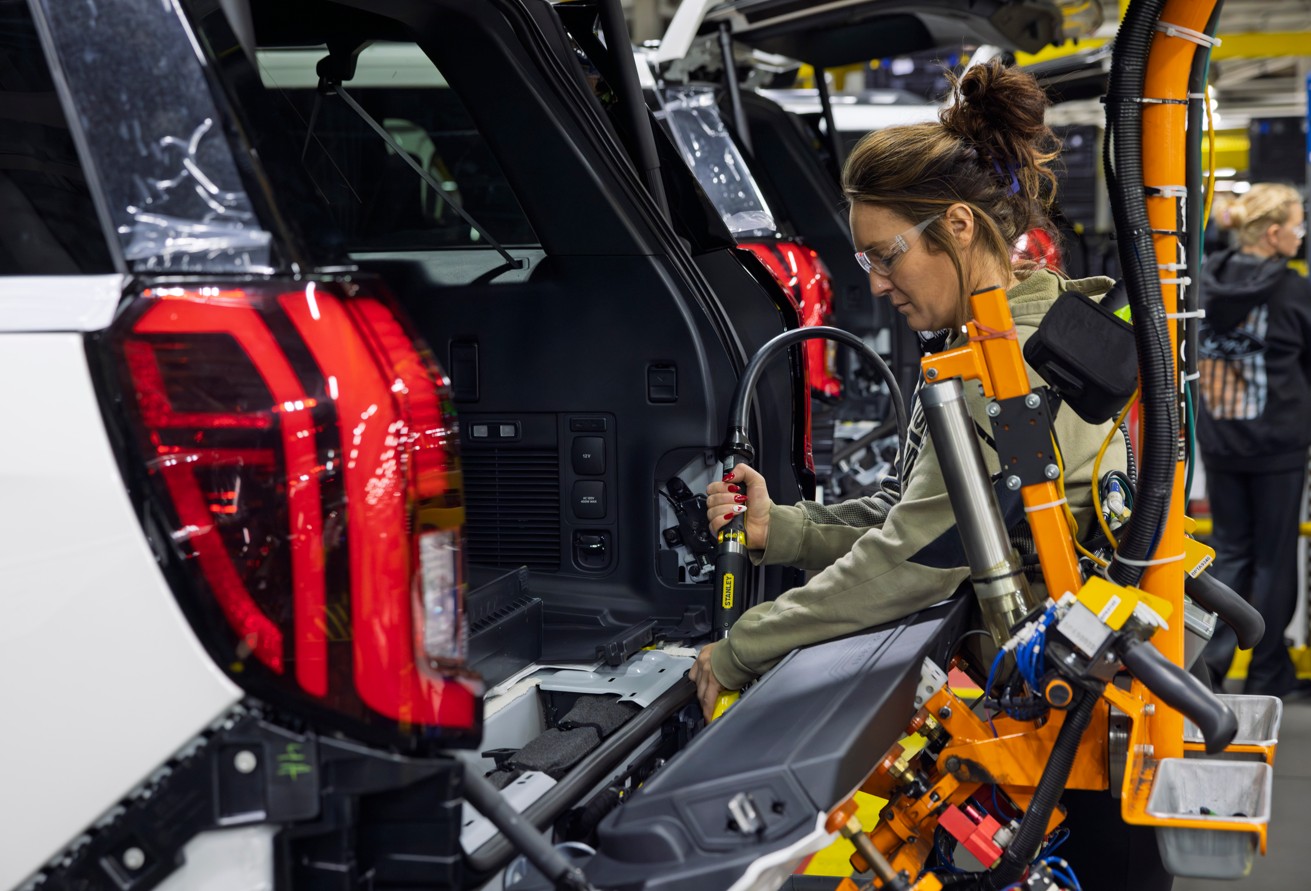
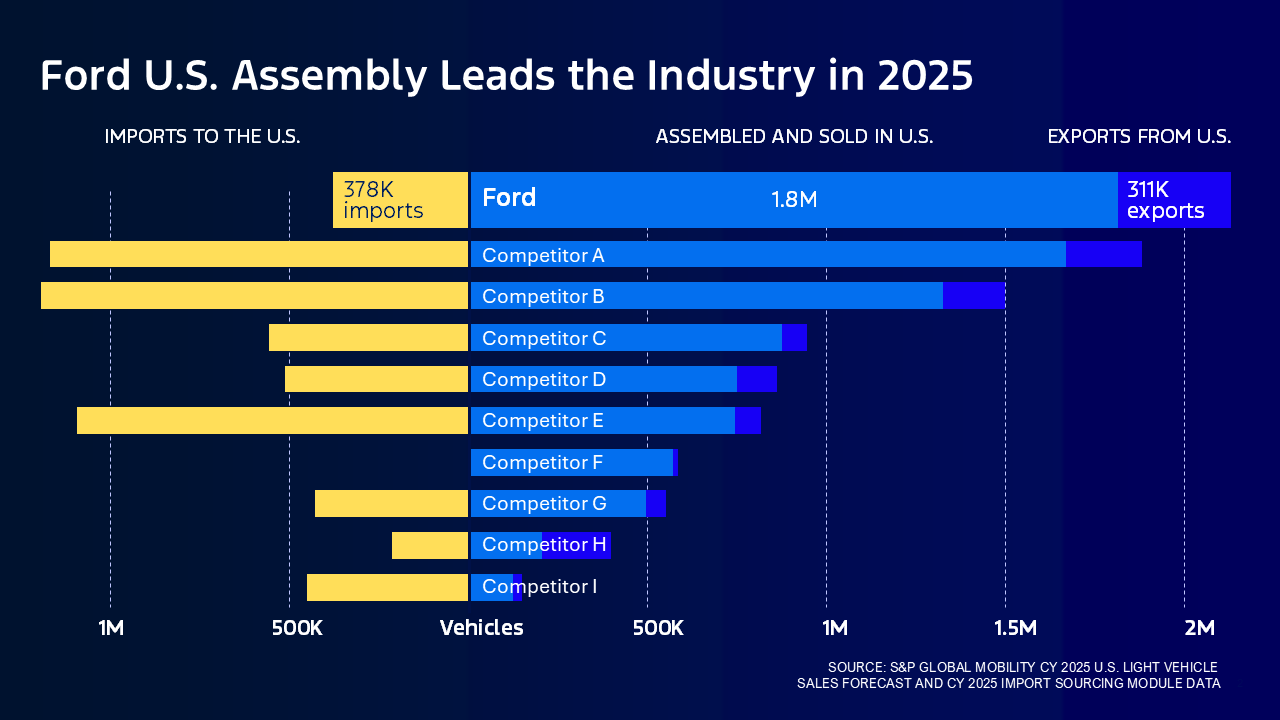
According to Ford, the company again led all automakers in US vehicle assembly, US vehicle exports and hourly autoworker employment in 2025.
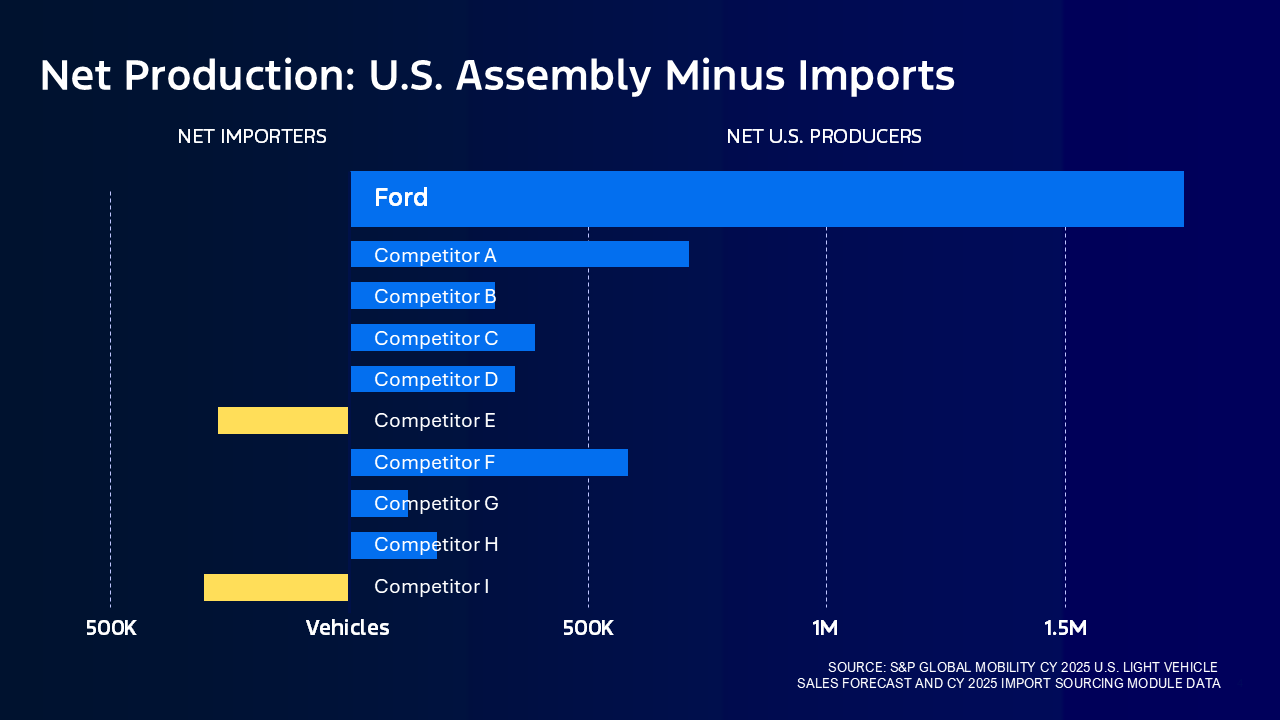
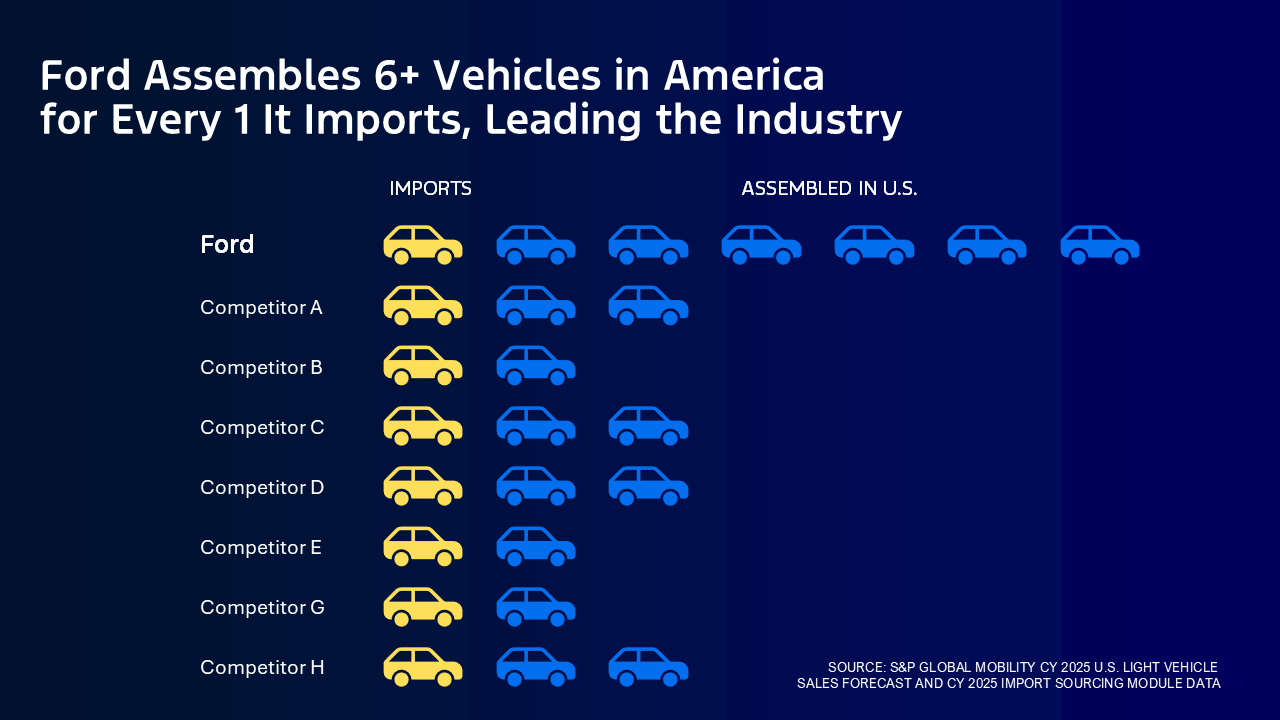
It assembled more than 2 million vehicles in the US last year, more than any other automaker, and produced nearly 350,000 more light duty vehicles in the US than any other manufacturer, marking its ninth consecutive year of leadership in that category.
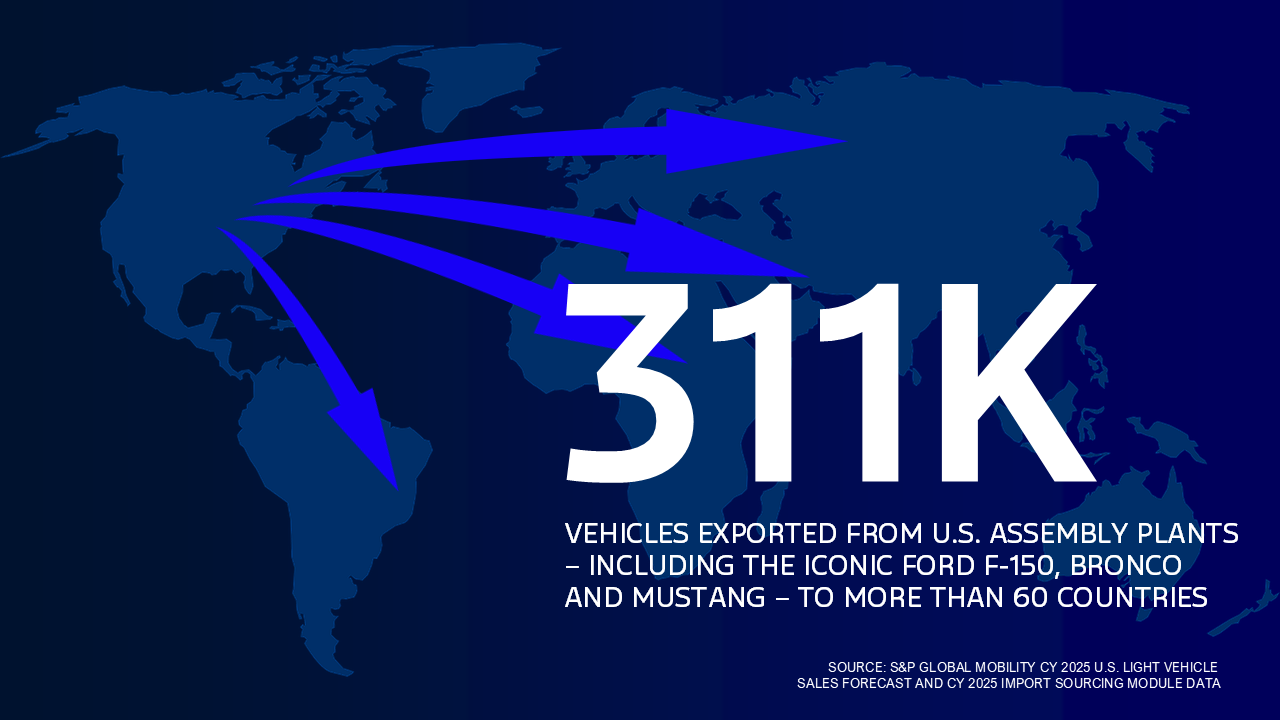
Company figures say 83% of vehicles it sells in the US are assembled domestically and remains the top exporter of US-assembled vehicles, shipping approximately 311,000 units to more than 60 international markets in 2025, including the Ford F-150, Bronco and Mustang.
“We are proud to be America’s top auto assembler once again in 2025, as we have been for 16 out of the last 17 years,” Farley said.
Manufacturing footprint supports supply chain resilience
Farley argued that Ford’s domestic production footprint is about more than vehicle output, positioning manufacturing as a foundation for broader economic and industrial resilience.
“When you assemble a vehicle in America, you are igniting an entire economic ecosystem,” he said.
“You simply cannot build a resilient nation solely on service jobs and consumption. Manufacturing is the backbone of this economy.”
Farley added that Ford views manufacturing as core to long-term national competitiveness.
“That is the difference between treating America as a market to sell to, and treating it as a home,” he said.
Workforce and economic impact
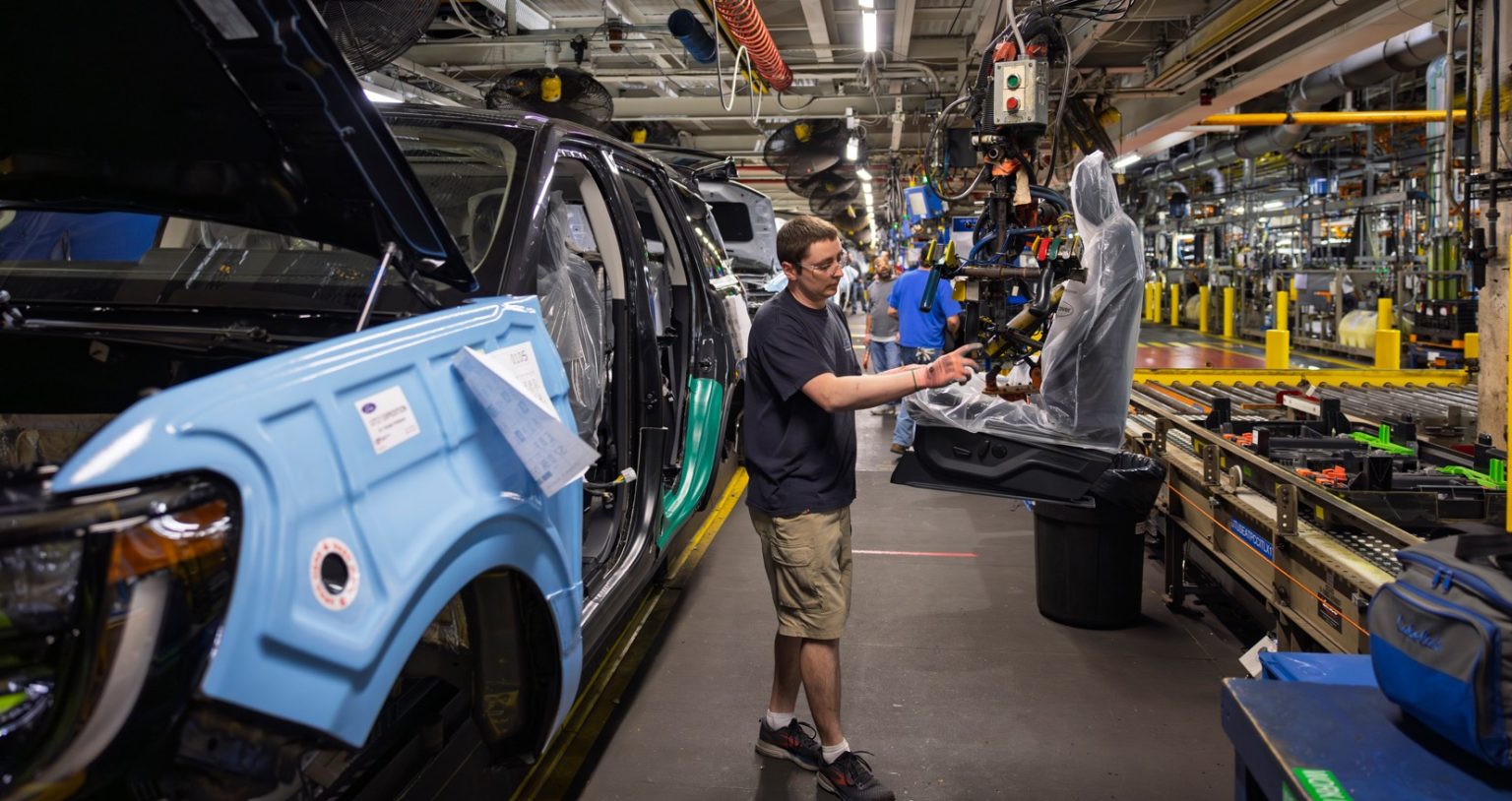
Ford employs approximately 56,300 hourly manufacturing workers in the US, more than any other automaker.
“These are good jobs that can impact the life of a family over generations,” Farley said.
The CEO added that Ford’s US operations support “almost a million indirect jobs in the broader economy.”
Investment pipeline supports future production growth
Looking ahead, Ford plans to hire thousands of people across America in the coming years to support production of new gas, hybrid and electric vehicles, batteries and battery energy storage systems.
Preparations are underway for launches at several US manufacturing sites, including:
- Glendale, Kentucky battery plant
- BlueOval Battery Park Michigan
- Ohio Assembly Plant
- Tennessee Truck Plant
“We’re going to continue to invest,” Farley said.
“Ford – including our subsidiaries – plans to hire thousands of people across America in the next few years.”
Long-term manufacturing strategy
Farley said Ford’s manufacturing strategy reflects a broader philosophy that has shaped the company for more than a century.
“We’ve been proudly American for more than 120 years,” he said.
“And we don’t plan to give up that top spot any time soon.”
This article was produced by the editorial team at Manufacturing Outlook and published as part of the Outlook Publishing global network of B2B industry magazines.
Outlook Publishing delivers industry insights, company stories, and sector coverage across manufacturing, mining, construction, healthcare, supply chains, food production, and sustainability.
Manufacturing Outlook provides ongoing coverage of organisations and developments shaping the global manufacturing industry.