



Volvo Cars has officially started production of its new fully electric EX60 SUV, marking a major manufacturing milestone for both the company and Sweden’s automotive sector.
A Significant Step in Volvo Cars’ Electrification Strategy
Customer deliveries of the new mid-size electric SUV will begin in early summer, with the EX60 being produced at Volvo Cars’ Torslanda manufacturing plant just outside Gothenburg, Sweden.
As the first fully electric car to be designed, developed and built in Sweden, the EX60 represents a significant step in Volvo Cars’ electrification strategy and reinforces the company’s long-term commitment to Sweden as a centre for premium electric vehicle development and manufacturing.
The model is also expected to become one of Sweden’s largest export products by value, supporting both regional economic growth and Western Sweden’s position as a major automotive manufacturing hub.
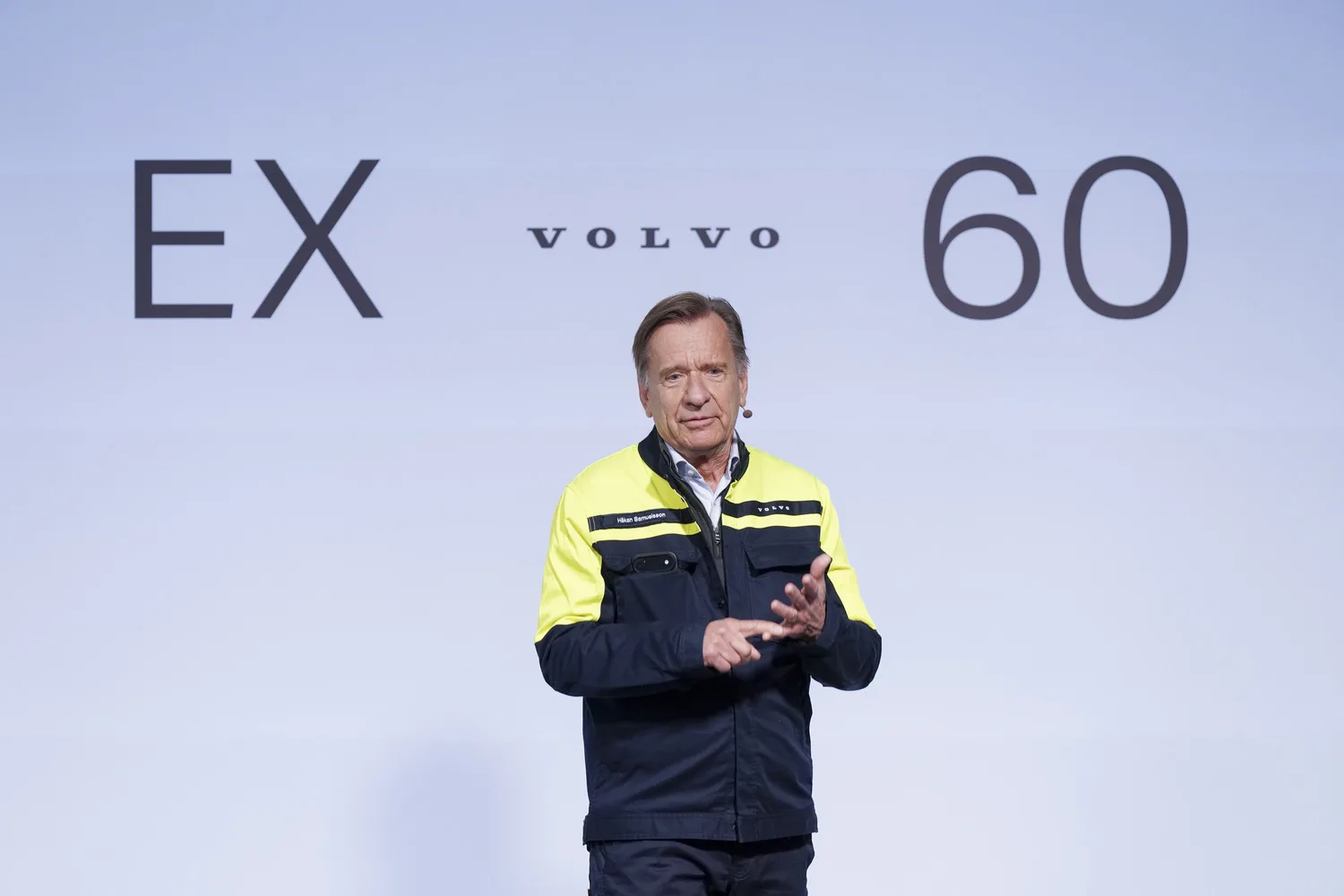
“Today is an important milestone for our company and for Sweden as a whole, as we start to build the first EX60 customer cars,” said Håkan Samuelsson, CEO of Volvo Cars.
“We are now focused on a steady ramp-up of high-quality EX60 production, making sure this game-changing car will be a profitable growth driver in the coming years.”
Strong Demand Drives Higher Production Volumes
Last month, Volvo Cars announced it would increase EX60 production volumes for 2026 following stronger-than-expected customer demand across Europe.
The company said strong initial demand in key markets such as Sweden and Germany, alongside retail orders that exceeded internal forecasts in nearly all major European markets, prompted the decision.
Following the strong European order intake—and with order books for the U.S. and Asian markets opening later this spring—Volvo Cars is now aiming to keep the Torslanda plant open for one extra week this summer, which would be the first time in the plant’s history.
The EX60, first revealed in January, offers a range of up to 810km, charging from 10–80% in 16 minutes, and is priced in line with Volvo’s best-selling XC60 plug-in hybrid.
The SEK 10 Billion Factory Transformation
Behind the EX60 launch sits a major manufacturing transformation.
Volvo Cars has heavily upgraded the Torslanda site in recent years as part of an investment of around SEK 10 billion (approximately $1 billion), preparing the plant for production of the EX60 and future next-generation electric vehicles.
The investment includes the introduction of mega casting capabilities, a new battery assembly plant, and a fully refurbished paint shop and final assembly operations.
These upgrades are designed to support higher efficiency, lower costs, and more sustainable production.
Why Mega Casting Matters
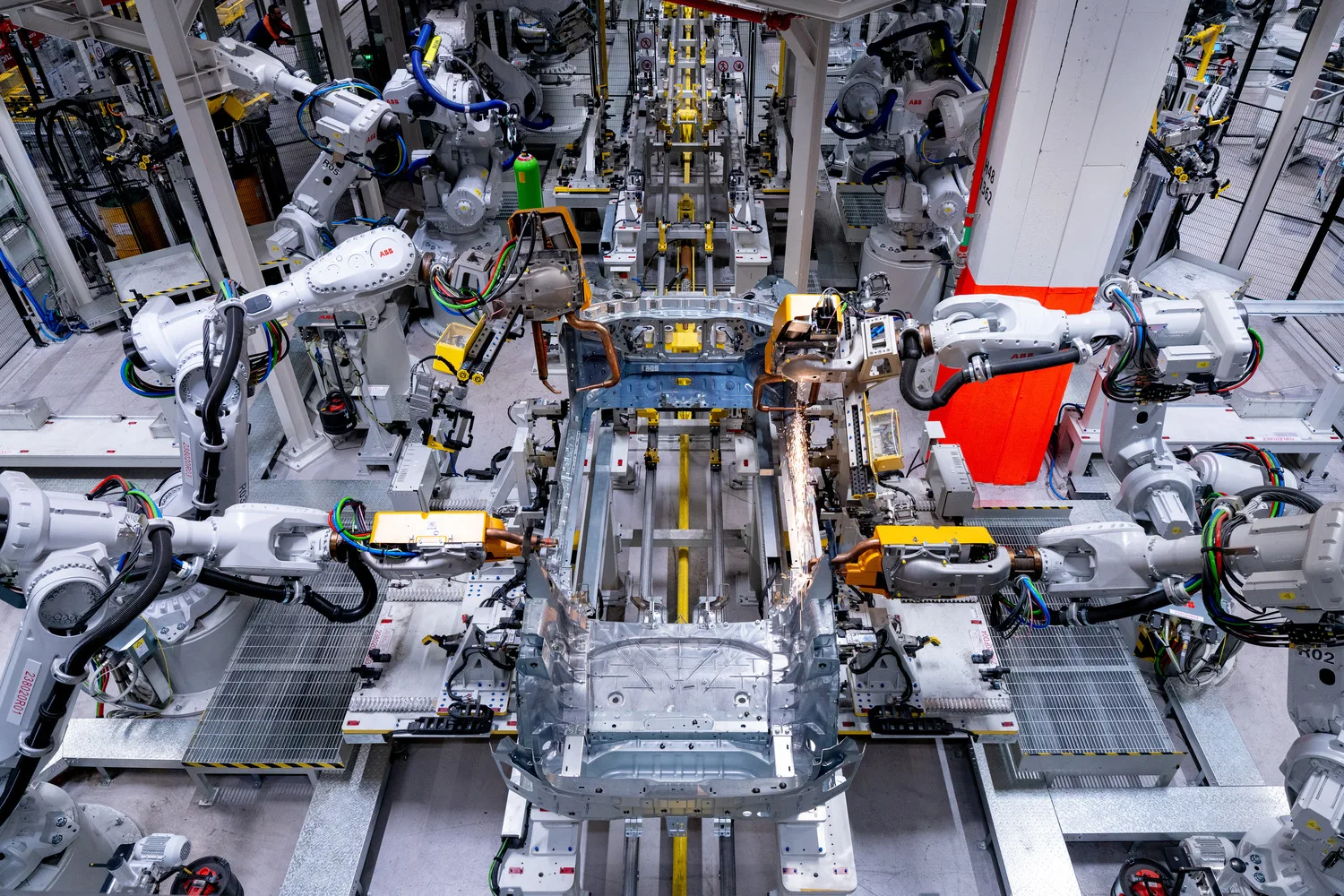
A major part of the investment is the introduction of mega casting of aluminium body parts—one of the most significant manufacturing changes in the plant’s history.
Casting major sections of the vehicle floor as a single aluminium part reduces weight, improves energy efficiency, and extends electric driving range. It also enables better use of interior cabin and luggage space.
Mega casting also reduces manufacturing complexity, creating cost savings across material use and logistics while lowering the overall environmental footprint across manufacturing and supply chain operations.
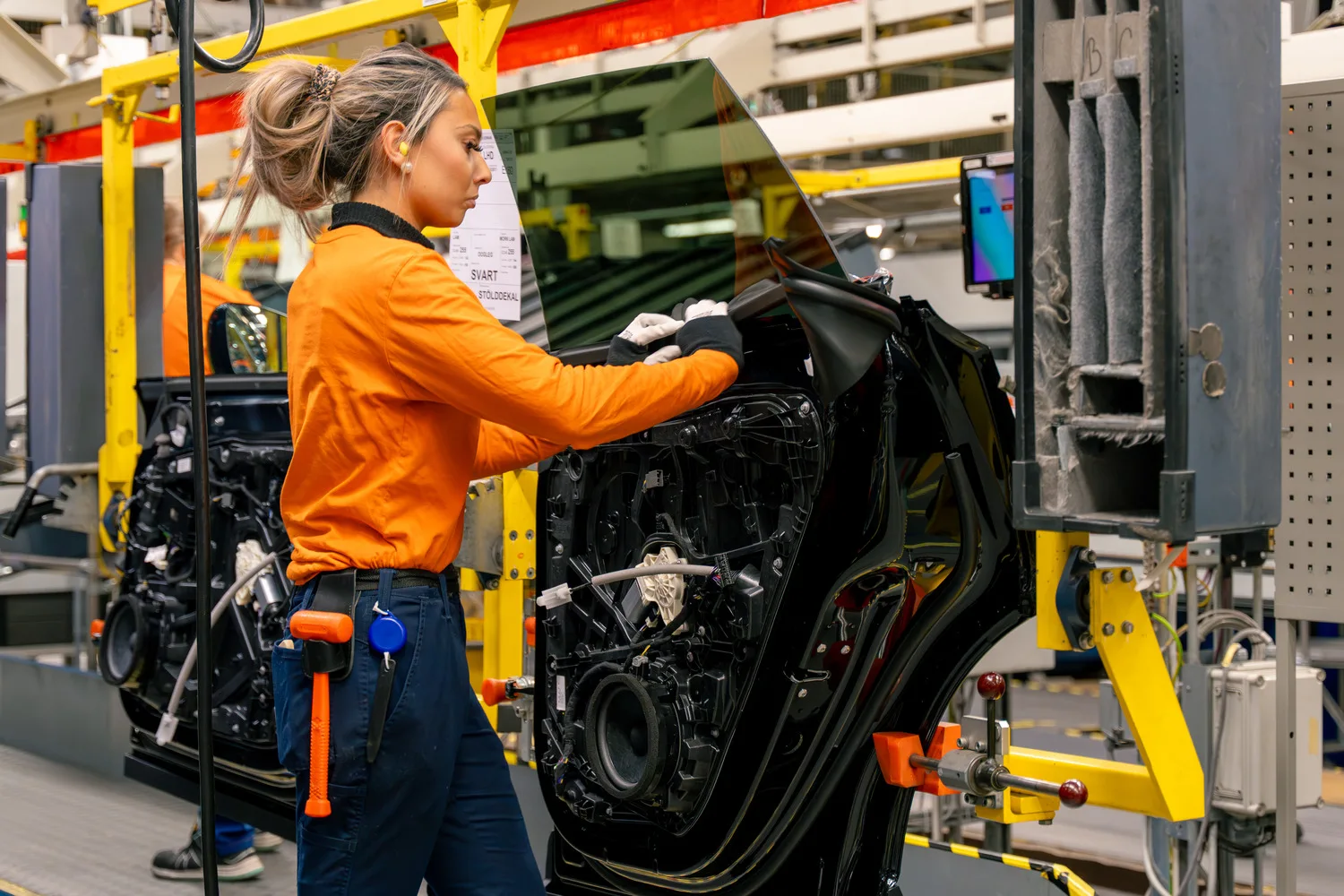
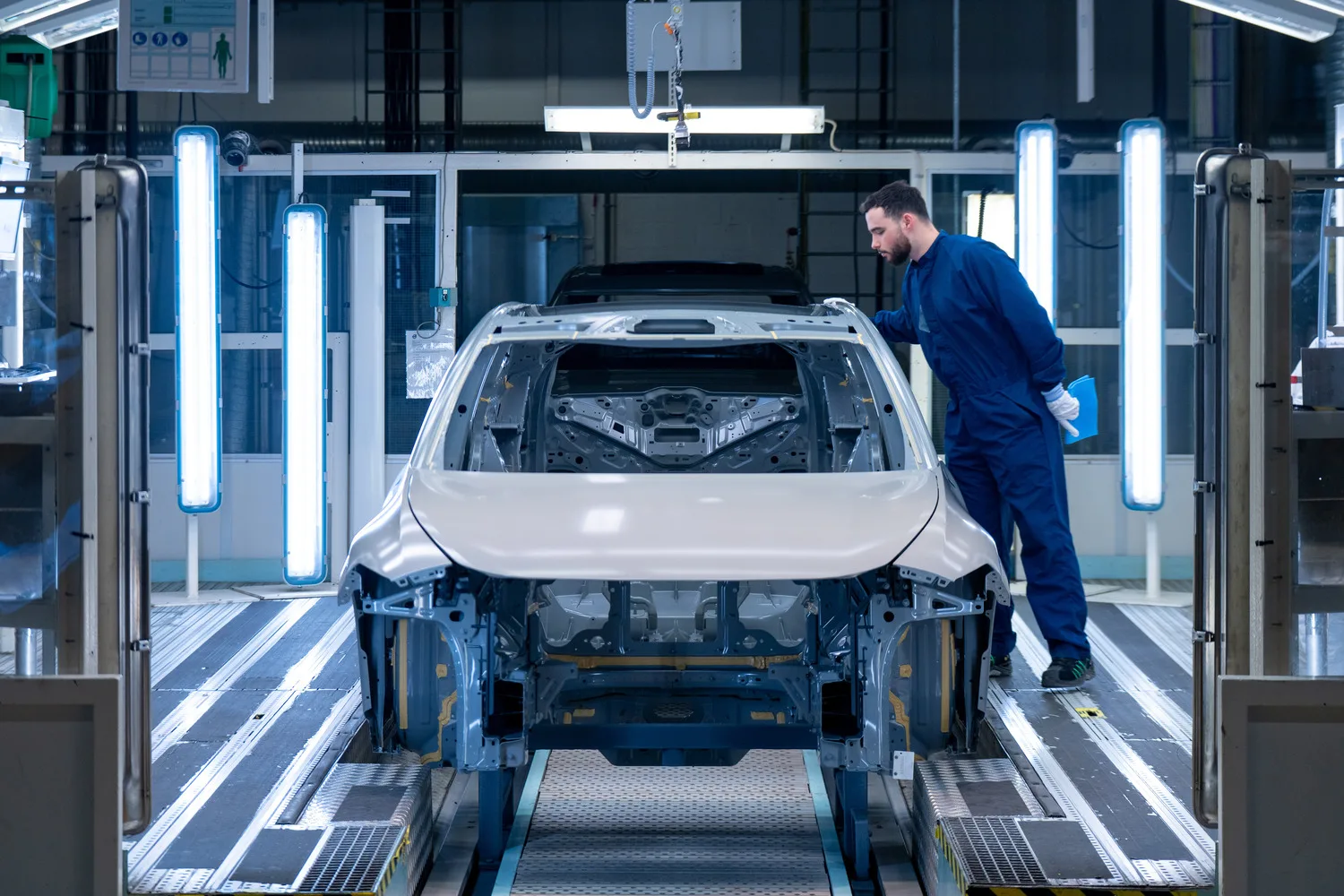
The battery assembly plant integrates battery cells and modules directly into the floor structure of the vehicle, while upgrades to the assembly shop include a new “marriage point” where the top body and floor of the vehicle meet for the first time.
The paint shop has also been modernised with new machinery and processes designed to reduce energy consumption and emissions.
A Long-Term Electric Manufacturing Strategy
The original Torslanda investment plan was first announced in 2022 as part of Volvo Cars’ wider ambition to become a fully electric car company by 2030.
At the time, the company said the plant would play a crucial role in its transformation, supported by additional investments in battery development and manufacturing through its partnership with Northvolt.
The site’s logistics areas were also upgraded to improve material flow and optimise the transport of parts and goods, while employee facilities such as break areas, locker rooms and offices were improved to support working conditions.
Torslanda remains Volvo Cars’ largest manufacturing plant, with annual production capacity of 300,000 vehicles, around 6,500 employees, and operations running across three shifts.
With EX60 production now underway, the billion-dollar investment is moving from strategy to execution—placing Torslanda at the centre of Volvo Cars’ next generation of electric manufacturing.
This article was produced by the editorial team at Manufacturing Outlook and published as part of the Outlook Publishing global network of B2B industry magazines.
Outlook Publishing delivers industry insights, company stories, and sector coverage across manufacturing, mining, construction, healthcare, supply chains, food production, and sustainability.
Manufacturing Outlook provides ongoing coverage of organisations and developments shaping the global manufacturing industry.