


- Electric vehicle production begins with Neue Klasse
- Major investment in a fully electric manufacturing site
- Digital manufacturing strategy: BMW iFACTORY
- Advanced production technologies and automation
- Robotics and digital twins in the new body shop
- AI-supported paint shop and quality control
- Smart assembly and connected production systems
- Supply chain and logistics transformation
- In-house seat manufacturing strengthens quality control
- Regional supply chain for batteries and e-drives
- Sustainability and long-term production strategy
- Milestones of BMW Group Plant Munich
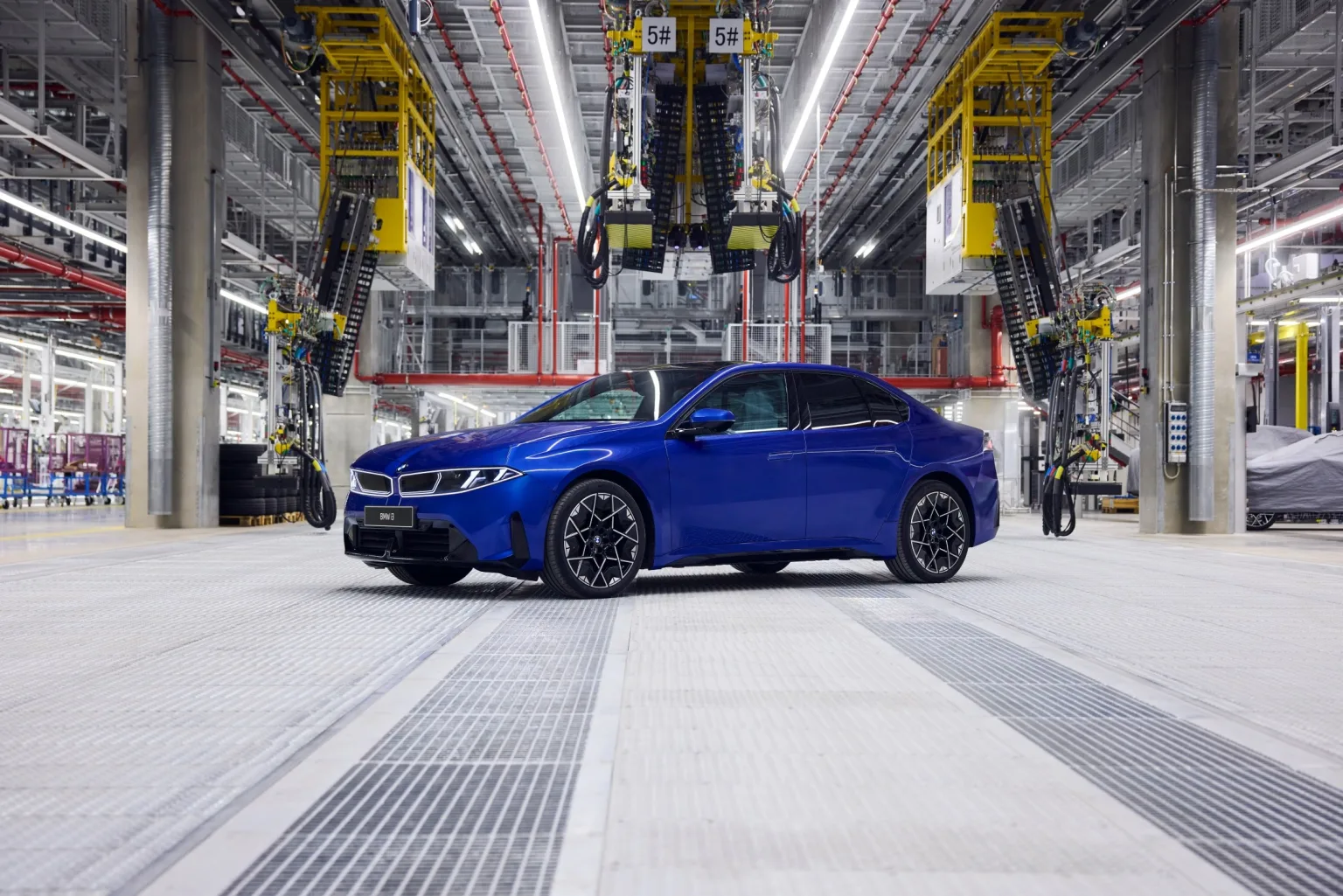
Electric vehicle production begins with Neue Klasse
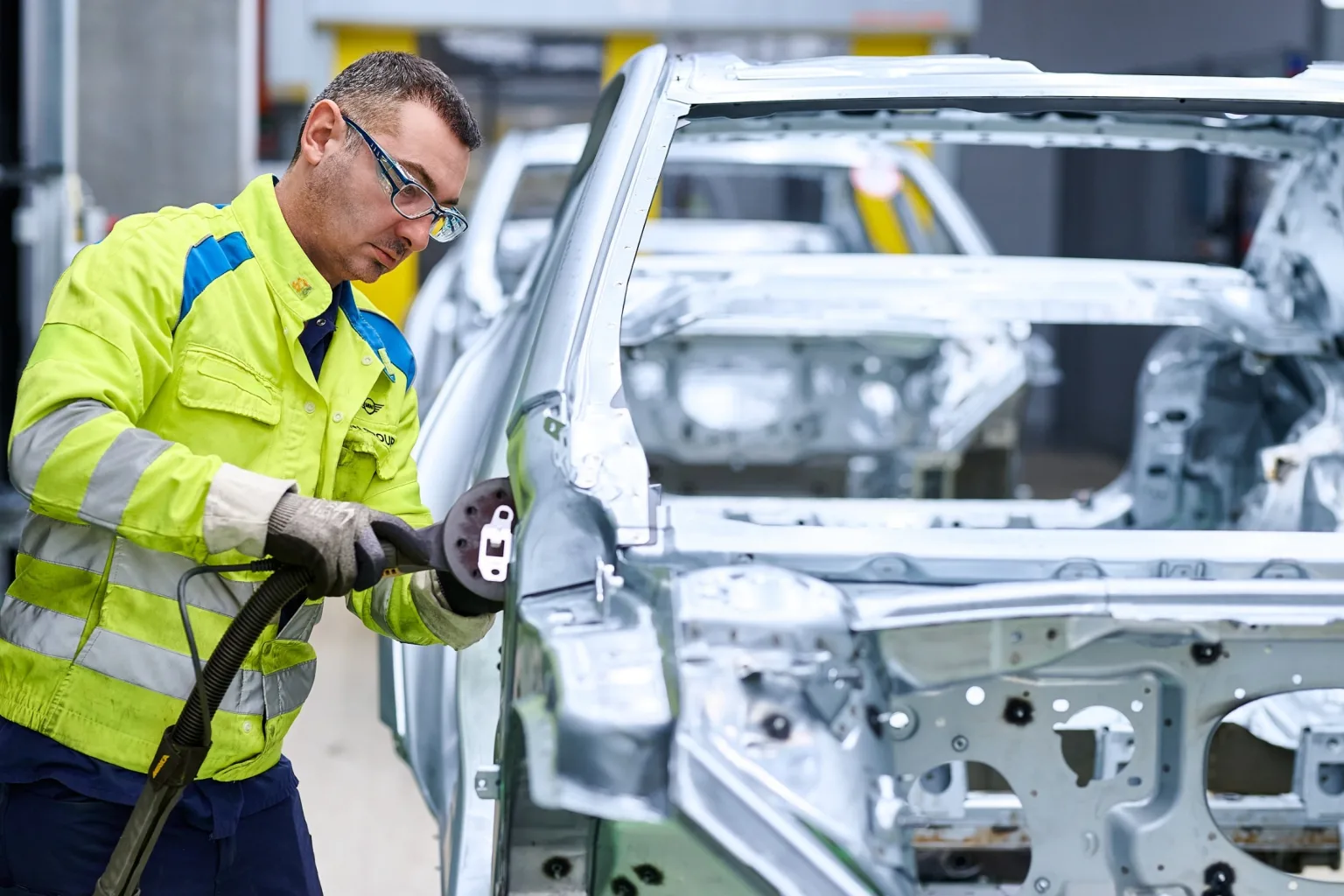
Major investment in a fully electric manufacturing site
The Munich plant has undergone a significant redevelopment programme while continuing production of up to 1,000 vehicles per day during the transformation process.
A new body shop and a modern vehicle assembly system have been installed, along with updated logistics infrastructure covering around a third of the plant’s footprint.
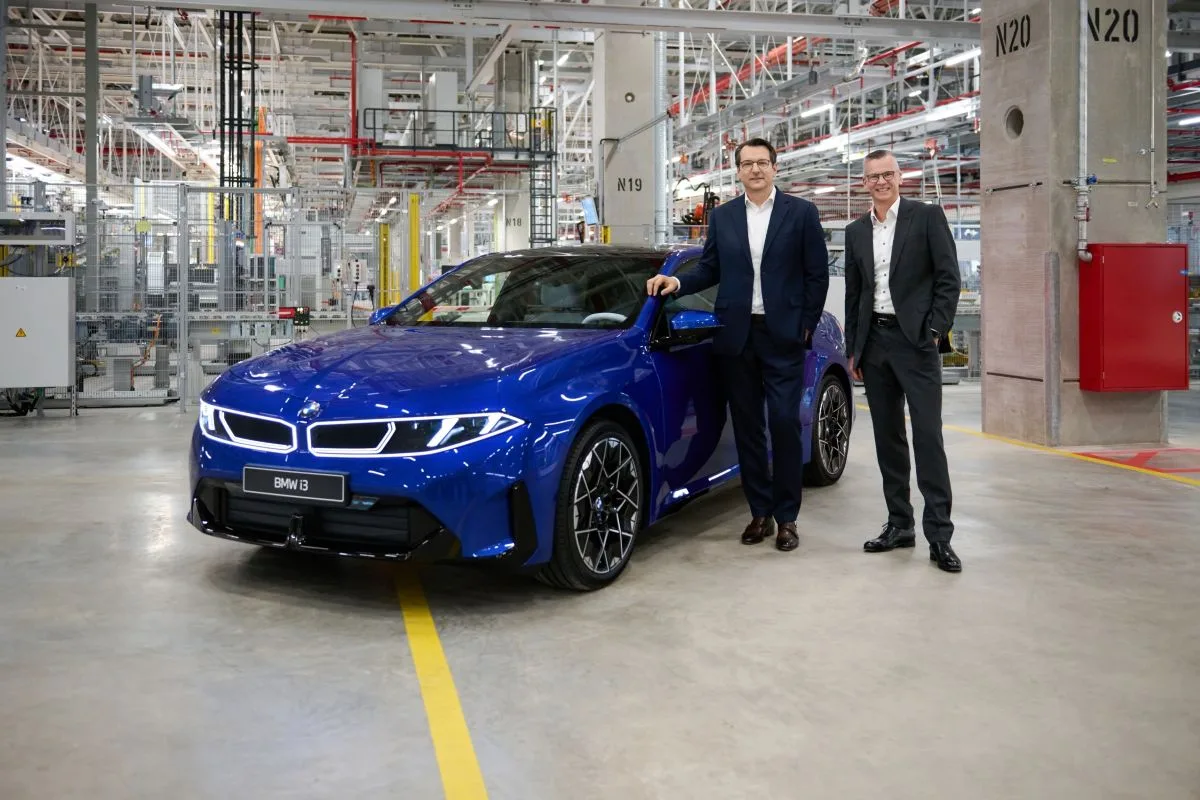
According to Peter Weber, Head of BMW Group Plant Munich, the transformation is already delivering operational improvements.
“We have considerably reduced production costs over recent years. With the start of production of the BMW i3, we will reduce overall production costs at the Munich plant by a further 10 per cent, bringing them below the level of the current vehicle generation,” says Peter Weber, Head of BMW Group Plant Munich.
Digital manufacturing strategy: BMW iFACTORY
The transformation of the Munich site is being implemented under the BMW iFACTORY framework, which focuses on efficiency, sustainability and digitalisation across the company’s global manufacturing network.
The approach aims to strengthen resilience and improve the company’s ability to deliver vehicles worldwide.
“We have rethought the entire value stream from supplier to finished customer vehicle. We have looked at every single process in detail and made optimisations. Now our plant is even more efficient, more flexible and even more digitised than ever before. We are thereby safeguarding the future viability of the plant,” adds Peter Weber.
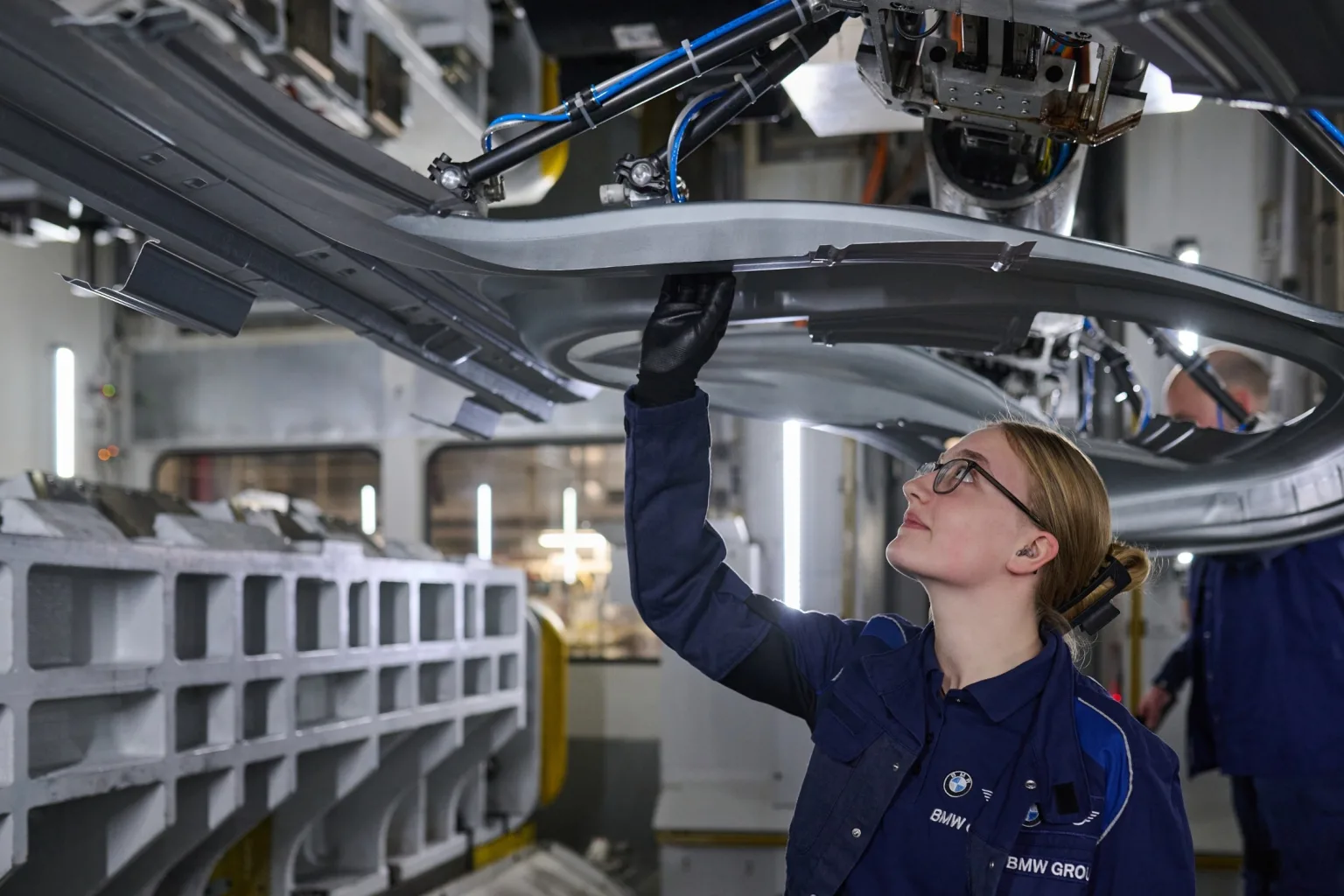
Advanced production technologies and automation
The updated manufacturing processes at the Munich plant incorporate new levels of automation, robotics and AI-supported quality control.
In the press shop, steel and aluminium sheets are converted into tens of thousands of components each day using automated press lines. Standardised press and tooling systems across the global production network allow tools to be exchanged between sites and support workforce mobility.
An AI-assisted camera system performs quality control before an underground transport system moves components to the body shop. Scrap metal from the process is collected, sorted and reused to produce new steel or aluminium coils.
Robotics and digital twins in the new body shop
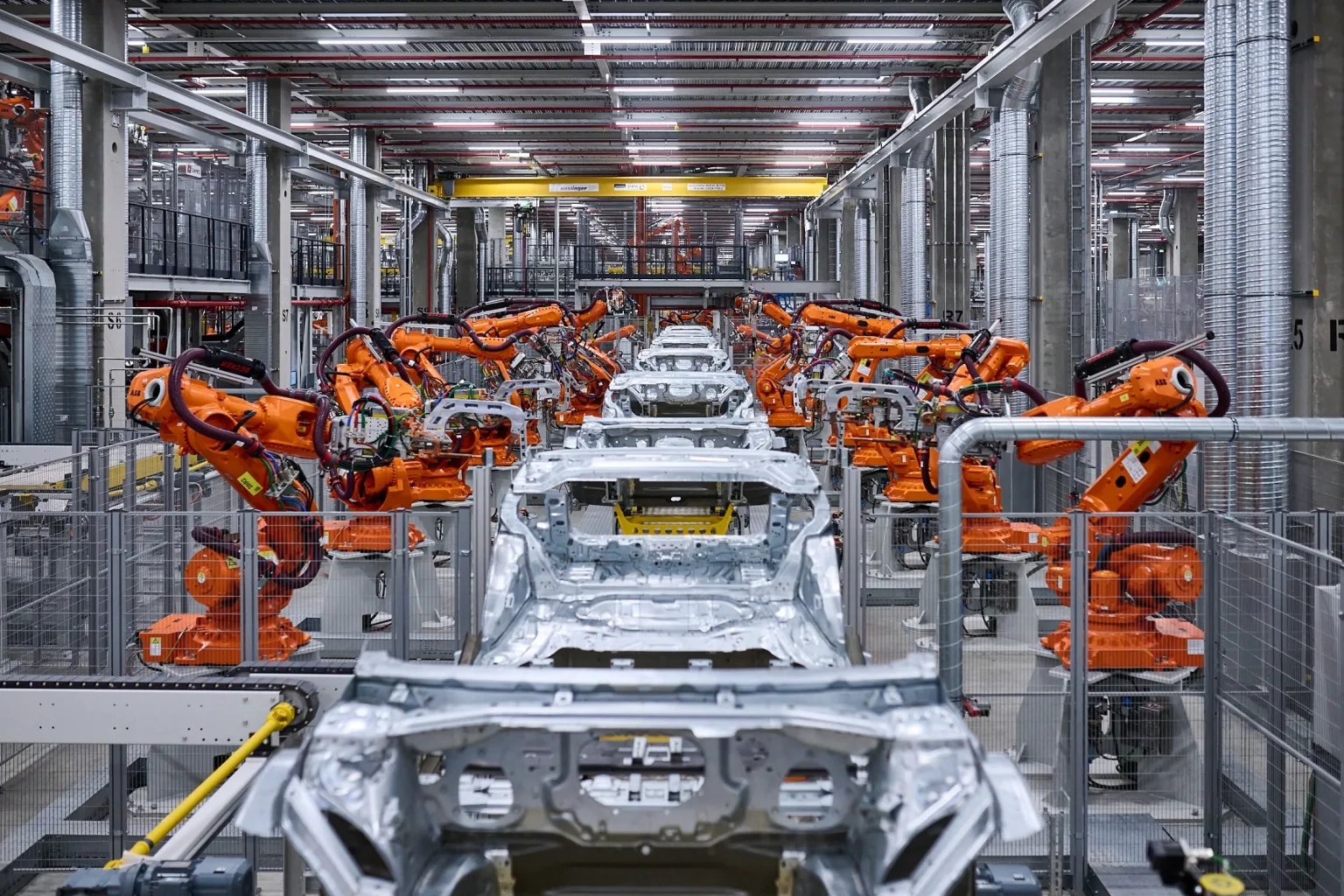
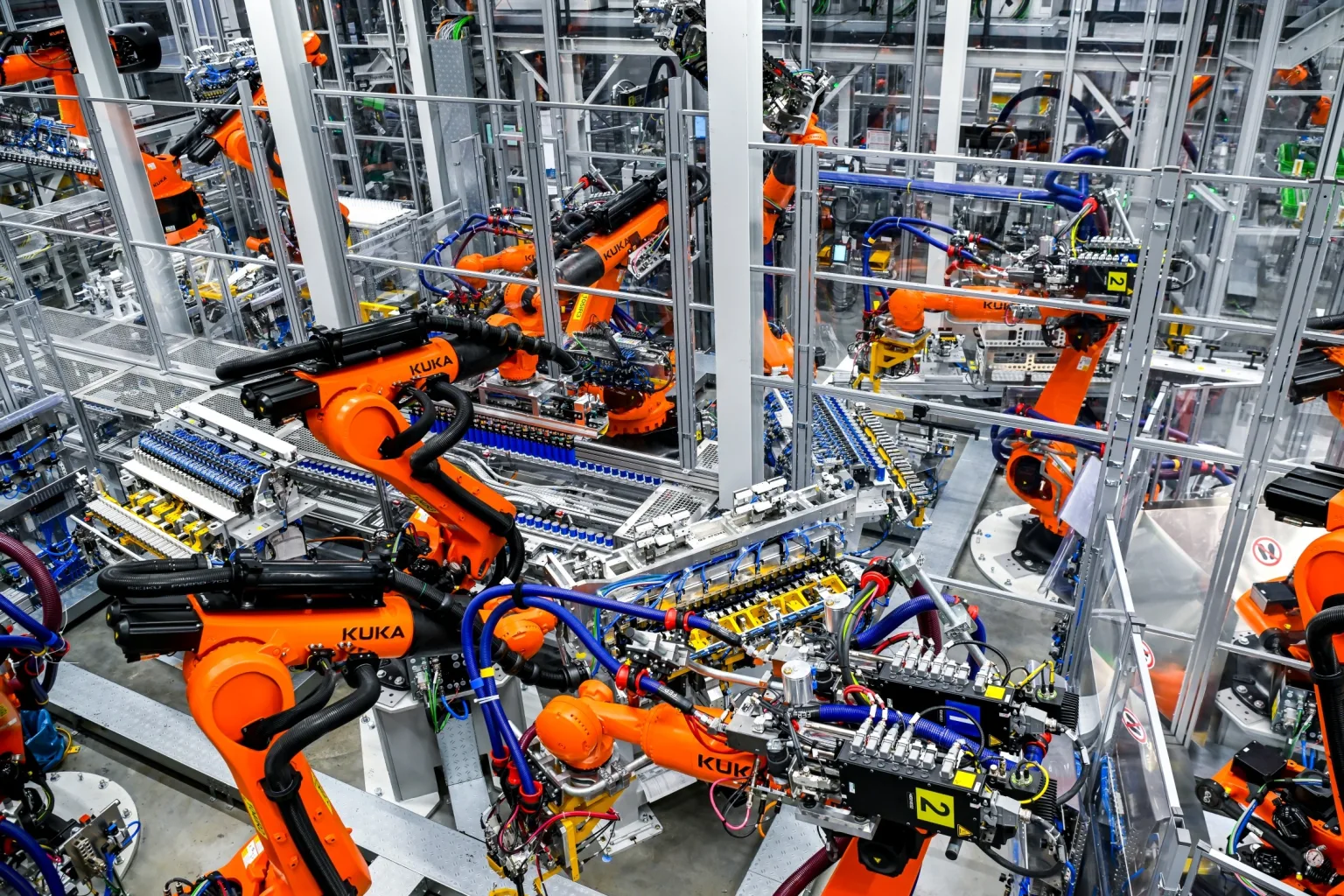
A newly constructed body shop developed using a virtual twin supports the production of Neue Klasse models.
The facility includes 800 new industrial robots responsible for joining processes, with automation levels reaching approximately 98 per cent.
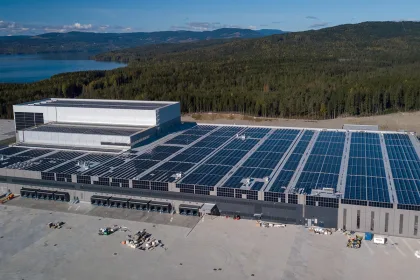
Reducing the number of joining processes to five helps lower process complexity, while automated surface inspection systems assist with quality assurance. The building meets the KfW 40 EE energy efficiency standard and includes a photovoltaic system that generates electricity on site.
AI-supported paint shop and quality control
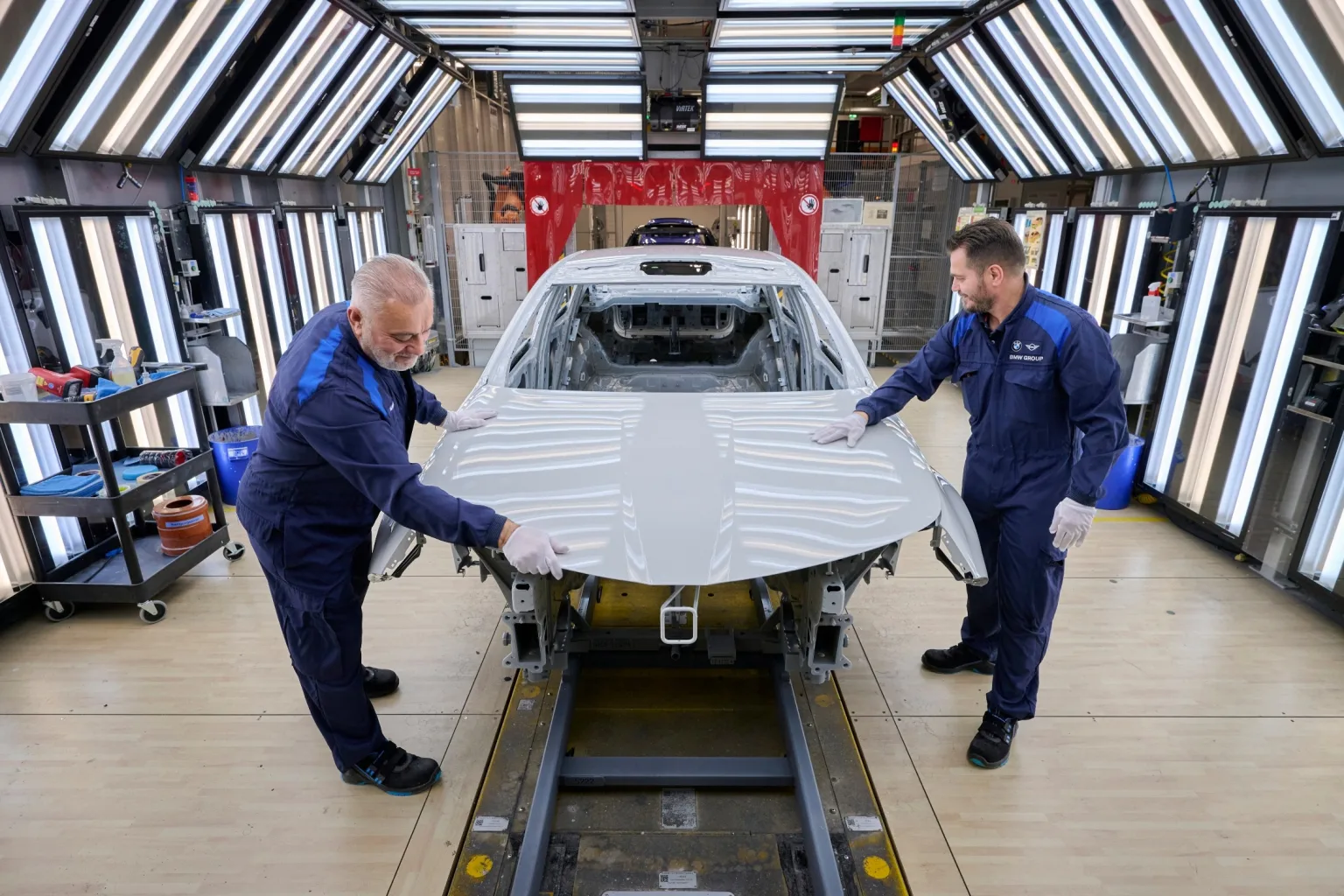
Digital and AI-based technologies also play a central role in the plant’s paint shop operations.
Automated surface inspection systems use cameras and artificial intelligence to identify even minor deviations on painted surfaces, while automated surface processing corrects detected variations during the running process.
The paint shop also uses the electrically powered eRTO process to purify exhaust air. Additional systems include heat and energy recovery technologies and water-saving production cycles.
Smart assembly and connected production systems
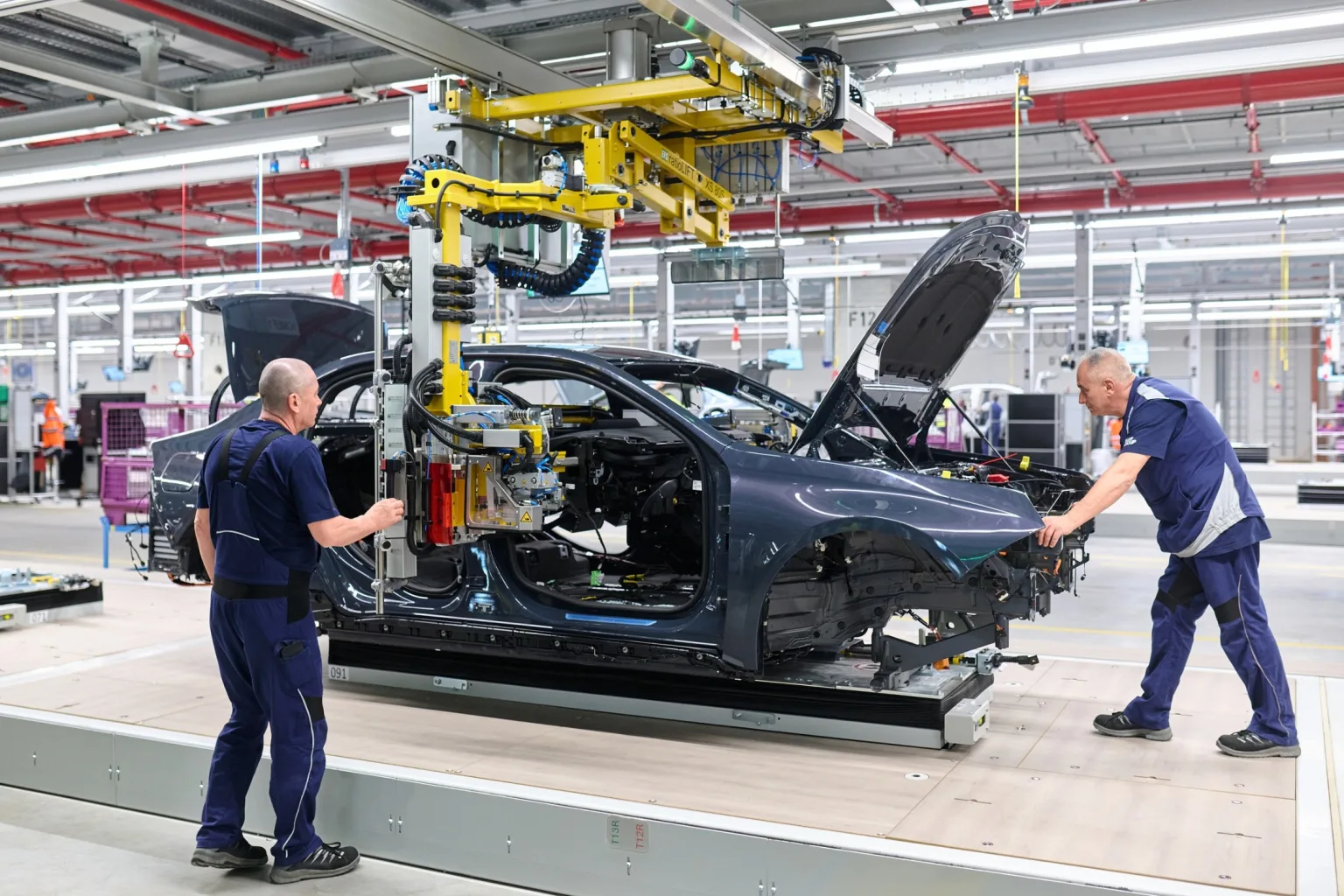
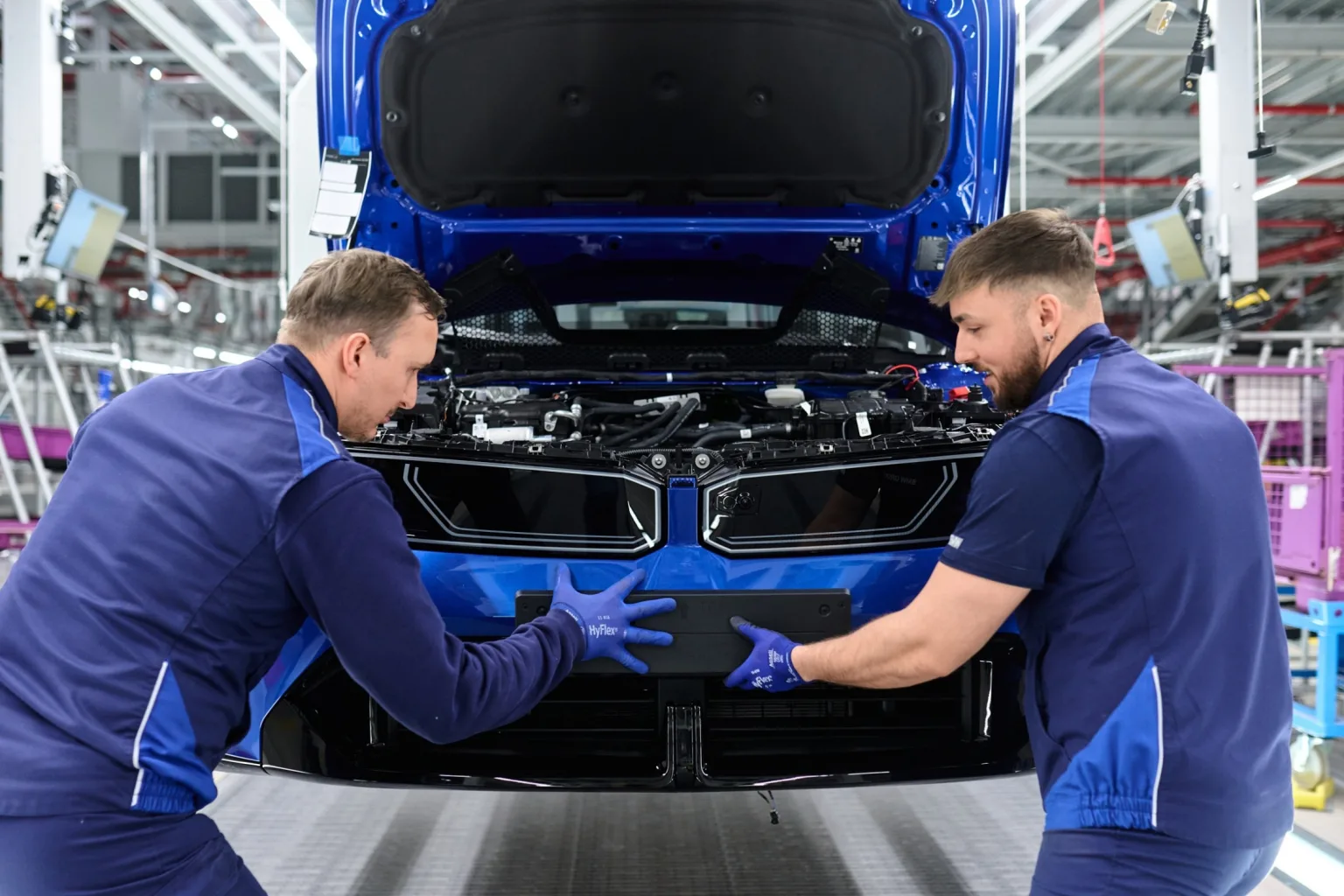
The former engine manufacturing area of the plant has been converted into a new assembly facility for Neue Klasse vehicles.
This assembly system is designed around end-to-end digital processes, linking vehicles, equipment and tools through integrated production data systems.
During assembly, the BMW i3 can transmit the status of up to 20,000 features directly to production systems. Digital live tracking and automated inline quality checks support employees on the assembly line.
Ergonomic workstations and height-adjustable systems are designed to improve working conditions, while training programmes prepare employees for new digital manufacturing processes.
Supply chain and logistics transformation
The transformation also includes major changes to supply chain and logistics operations at the Munich plant.
The facility handles approximately 2.5 million parts per day, with future operations expected to deliver around 70 per cent of components directly to assembly workstations.
A multi-storey logistics structure has been developed to support the plant’s urban location. Parts are delivered at ground level and transported by conveyor systems to upper levels, where they are distributed directly to production areas.
Automation in logistics is also increasing significantly. Automated supply systems, smart transport robots and driverless transport vehicles are expected to handle around 60 per cent of supply tasks, while a digital logistics control station manages operations centrally.
In-house seat manufacturing strengthens quality control
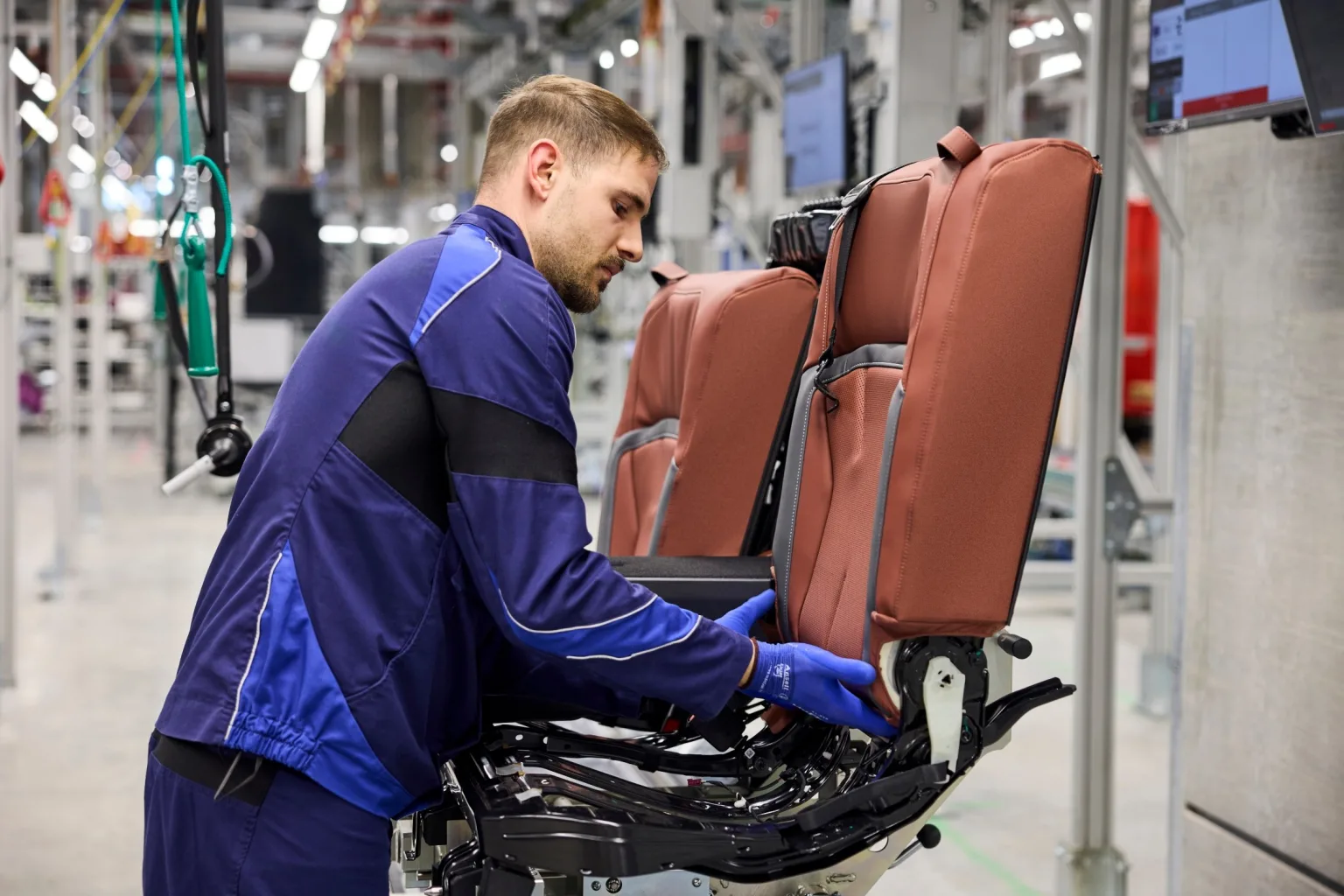
A dedicated in-house seat manufacturing facility forms a key part of the Munich production system.
Operating as a “plant inside a plant”, the facility produces seats for all vehicle versions manufactured in Munich and delivers them directly to assembly in sequence.
The seat manufacturing operation is regarded as a benchmark for quality assurance across the BMW Group. Automated processes support continuous quality monitoring, including fully automated end-of-line checks for safety-related components.
The facility also serves as a competence centre and innovation hub where new materials, technologies and manufacturing concepts are evaluated.
Regional supply chain for batteries and e-drives
BMW’s electric vehicle supply chain for the Munich plant includes regional production facilities for key drivetrain components.
High-voltage Gen6 batteries will be supplied from a new assembly plant in Irlbach-Straßkirchen in Lower Bavaria, located around 90 minutes from Munich. The facility will deliver batteries to Munich and other German BMW plants as part of a “local for local” production strategy.
Battery manufacturing incorporates inline quality controls, digital twins and artificial intelligence systems.
Meanwhile, the Gen6 electric motor for the BMW i3 will be produced at BMW Group Plant Steyr in Austria, a facility with more than 40 years of drivetrain manufacturing experience. The aluminium housing for the e-motor is supplied by the aluminium foundry at BMW Group Plant Landshut.
Sustainability and long-term production strategy
Sustainability is embedded within BMW’s broader manufacturing strategy and production network.
Within the BMW iFACTORY framework, plants worldwide are implementing site-specific solutions that support efficiency, digitalisation and sustainable production.
The transition of the Munich facility to exclusive electric vehicle production from 2027 forms part of the company’s wider commitment to sustainability across the full product lifecycle, from supply chain and manufacturing to end-of-life vehicle management.