



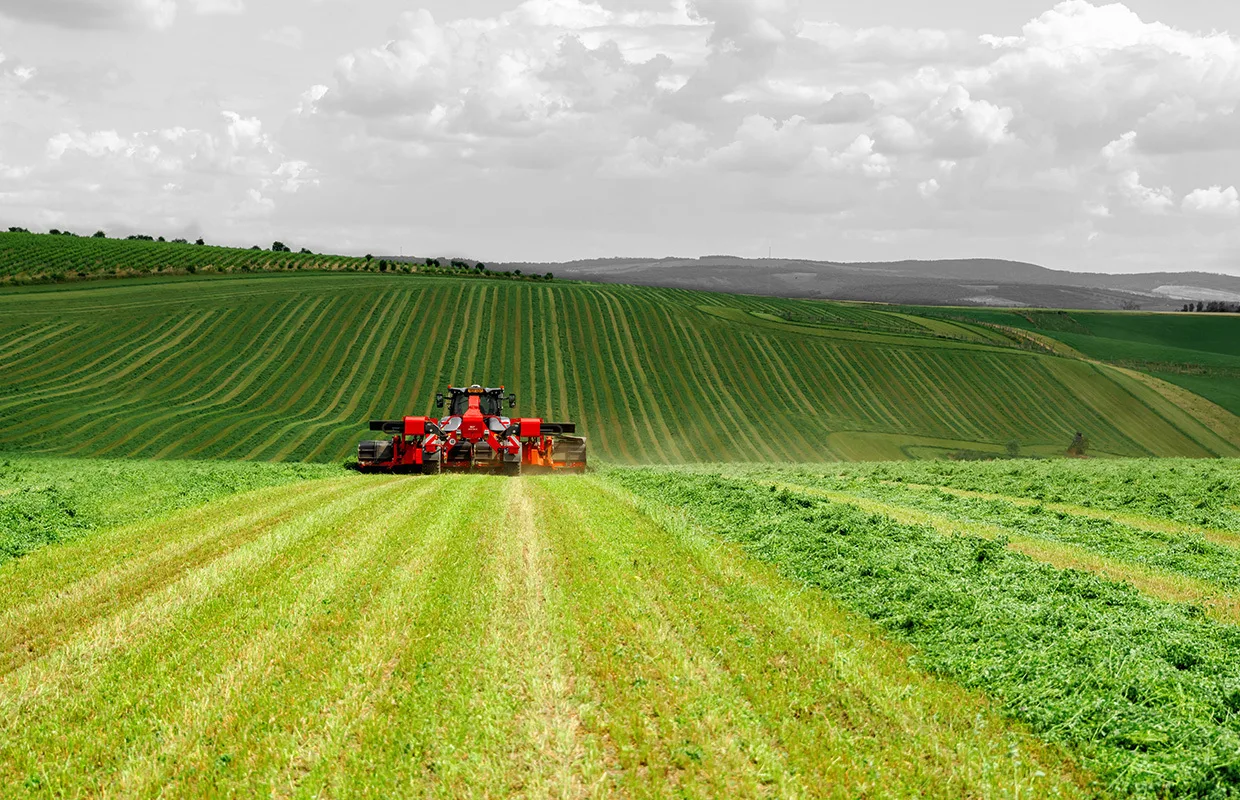
SIP Strojna Industrija is the biggest producer of agricultural machinery in Slovenia. We speak to Andrei Cosovici, Management Board Member, and learn how the company draws on its experience and long tradition to produce robust and quality machines.
ROBUSTNESS IN THE DNA
The beginnings of SIP Strojna Industrija (SIP) date back to 1954, when ‘Agroservis’ was established in Šempeter, Slovenia, as a cooperative craft plant for the maintenance and repair of agricultural machinery.
Six years later, production of agricultural machinery began, and in 1967 Agroservis was renamed to SIP – an acronym for ‘Strojno Industrijsko Podjetje’.
In the second half of the 1960s, following cooperation with international partners such as Pöttinger (Austria) and PZ Zweegers (Netherlands), SIP introduced its first line of grassland harvesting equipment.
Today, its headquarters, as well as its only R&D and production site, are located in Šempeter, within Savinja Valley.
“Over the years, we’ve experienced both ups and downs, but the vision of our owners and the hard work of our team have brought us to our current position in the industry,” introduces Management Board Member, Andrei Cosovici.
“We operate in a highly competitive environment – smaller players have practically disappeared, whilst large companies are 10, 20, or even more times bigger than us,” he describes.
Whilst these larger brands offer comprehensive digital ecosystems and extensive support services alongside their products, SIP has invested significant effort in strengthening customer support, having made substantial progress in this area as it forges a strong and reliable reputation within the industry.
However, new challenges are already emerging – on one hand, SIP is facing increasing competition from low-cost machinery, particularly from Turkey, India, and China, which is targeting smaller farms.
“On the other hand, large professional farmers and contractors are increasingly adopting precision farming tools and tracking systems, whilst electrification, autonomy, and other technological trends seen across countless industries are also making their way into our sector,” Cosovici explains.
A JOURNEY THROUGH THE INDUSTRY
Cosovici’s experience in the manufacturing industry began when he was young. His grandfather was a blacksmith, allowing him to spend much of his childhood in and around the workshop, whilst his uncle was an engineer, and his mother worked in agricultural machinery development.
“Because of my early exposure to the industry, it felt like a natural path for me to pursue a technical education and study mechanical engineering.
I first walked through SIP’s doors in 1998, when I was managing cooperation between SIP and Moldagrotehnica, a business from my hometown of Balti in Moldova, where I had been working briefly as a design engineer,” he recalls fondly.
In 2003, SIP underwent a process of ownership restructuring, and the majority shareholders invited Cosovici to join the team responsible for rebuilding the company.
“I started at a time when the company lacked its own production capacities and relied heavily on imported welded assemblies, laser-cut sheet metal, and turned parts. Through intensive modernisation over the past two decades, we have brought key parts of this former outsourced production back in-house.”
Alongside managing cooperation, he began opening new markets in Eastern Europe, quickly becoming a permanent member of the sales team. After eight years of gaining valuable experience, he took on the role of Head of Sales, followed by Sales and Marketing Director – a position he held for 11 years.
“In 2022, I was appointed to the Management Board, gradually transitioning from an operational sales role to a strategic one. Today, I coordinate the company’s strategy and business development,” Cosovici informs.
RESPONSIVE BUSINESS PARTNER
The overarching vision for SIP is to produce robust, reliable machines for mowing and grassland harvesting, as well as deliver responsive service support, meeting the demands of its myriad end users.
“Our state-of-the-art machinery stands out because of its simplicity of use and unique robust construction, which offers excellent durability,” acclaims Cosovici.
“Robustness is in SIP’s DNA – beyond durable construction, we place strong emphasis on quality, and our fully integrated material flow allows us to control all production processes.”
Recently, the company has directed its focus on investing heavily in automation, robotics, and in-house production of critical components, enabling less dependence on external suppliers – a crucial advantage in today’s volatile global supply environment.
In an evolving and increasingly constrained labour market, it is also essential to transfer repetitive operations to machines.
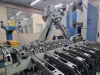
“Today, over 70 percent of our welding is performed robotically – SIP supports planning and traceability across production, procurement, and logistics, and all this strengthens our reliability as a partner,” he passions.
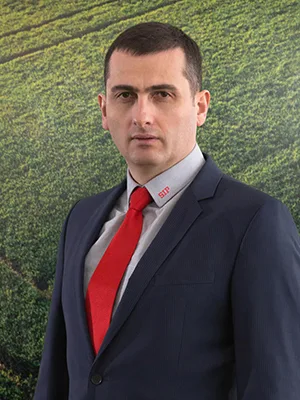
“Our state-of-the-art machinery stands out because of its simplicity of use and unique robust construction, which offers excellent durability”
Andrei Cosovici, Management Board Member, SIP Strojna Industrija
WELCOMING NEWCOMERS
SIP continuously monitors various risks – across business, market, political, and global—and adapts both strategically and tactically to overcome adversity.
“We limit original equipment manufacturer (OEM) partnerships to one-third of our business to maintain flexibility and diversify risk. This allows us to adjust our business model and offset fluctuations by collaborating with partners from other industries when needed,” Cosovici reveals.
While SIP acknowledges it cannot influence global events such as wars, it can, however, adapt its operations to minimise their impact.
Meanwhile, aside from the agricultural industry, SIP has expanded production facilities to become a sustainable, agile, close, and reliable business-to-business (B2B) partner for other industries that could manufacture machines with the company.
Furthermore, SIP is a reliable partner for newcomers out of its current industry – for other manufacturers.
“Another crucial milestone has been the establishment of subsidiaries in strategic markets, enabling closer customer interaction and stronger dealer networks. This has proven to be a sound strategic decision,” he adds.
GLOBAL EXPANSION
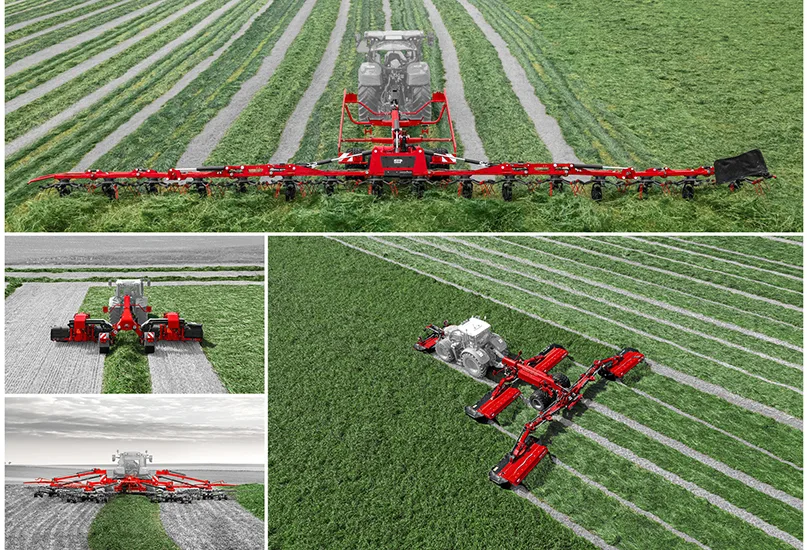
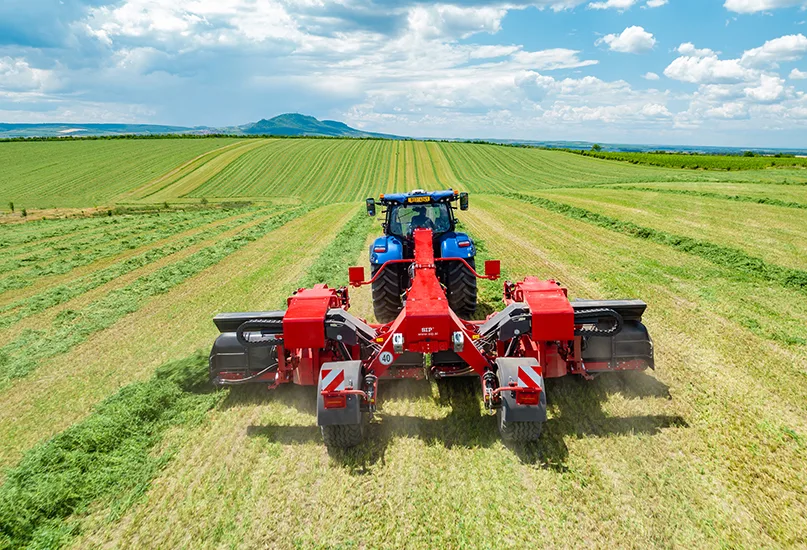
Today, SIP’s portfolio consists of more than 140 products across three main segments – agile machinery for small alpine farms, robust equipment for medium-sized livestock farms, and a heavy-duty range designed for the most demanding users.
“Right now, we employ around 250 people and collaborate with approximately 50 external partners to maintain flexibility and specialised expertise,” Cosovici expands.
“To stay optimally positioned within key markets, we have established subsidiaries in France, Germany, and Poland, whilst in other markets we operate through distribution agreements,” he tells us.
Meanwhile, in addition to its domestic market, where SIP holds a 50 percent market share, the company has worked hard to become well established in Austria, Switzerland, Italy, the Netherlands, Ireland, the Czech Republic, Australia, and New Zealand.
Promising opportunities are also emerging in Argentina, and regarding its entry into the US and Canada, the company has formed a strategic partnership with a local manufacturer, whereby its products will be marketed under a domestically recognised US brand.
“As a relatively small company, we stand out through our agility and flexibility in developing new solutions and machines. Around 10 percent of our total portfolio is currently in development, reflecting our ambition to become a leading specialist in grassland harvesting equipment.”
SIP’s success is not the result of a single factor – it is a combination of a renewed product portfolio, expansion into new markets, and, importantly, the strengthening of its dealer network with higher-quality partners.
CENTRE OF EXCELLENCE
As a key passion point for the company, SIP’s approach to corporate social responsibility (CSR) is practical and strongly locally focused.
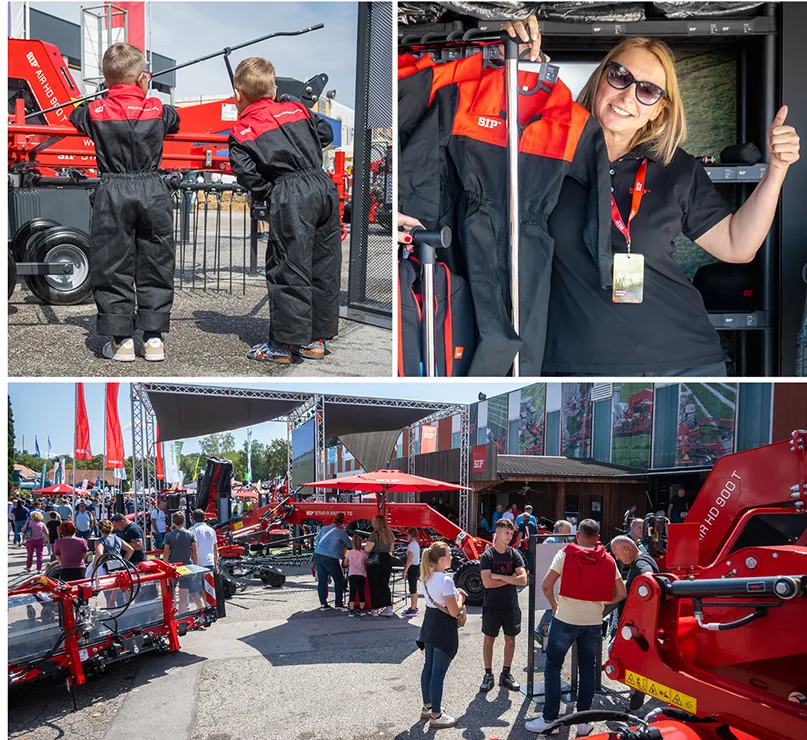
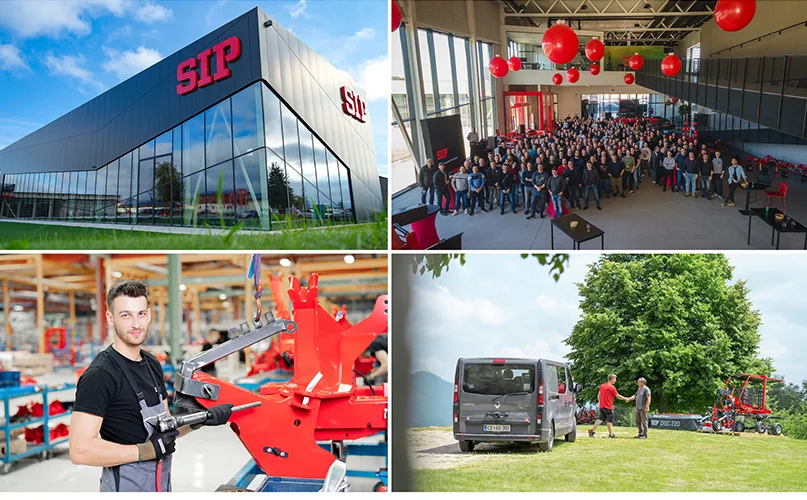
“We are deeply embedded in our environment and our new SIP Centre, built two years ago, also serves as a venue for social events,” details Cosovici.
“At present, we collaborate with local primary and secondary schools as well as universities, giving insight into mechanical engineering in practice.”
The SIP Centre, whilst embodying the SIP brand, does not infringe crudely on the environment, but rather enriches it with a large, green square surrounded by trees instead of a fence.
Not only a showground for the company’s new machinery, this game-changing hub also acts as a learning centre for both customers and users, and a conference hall that can host up to 200 people. In addition to these spaces for the general public, there are also offices and meeting rooms designed for SIP teams.
Beyond this, SIP supports numerous associations and has sponsored a local first-division volleyball club for over 30 years.
“Our events are thoughtfully designed to benefit employees, the local community, and other stakeholders, often including our customers and their products. We also maintain an internal charity-based initiative where employees can engage in various CSR work,” he prides.
“We believe long-term success is closely linked to the development of the community in which we live and work,” Cosovici divulges.
“We believe long-term success is closely linked to the development of the community in which we live and work”
Andrei Cosovici, Management Board Member, SIP Strojna Industrija
70 YEARS OF SUCCESS
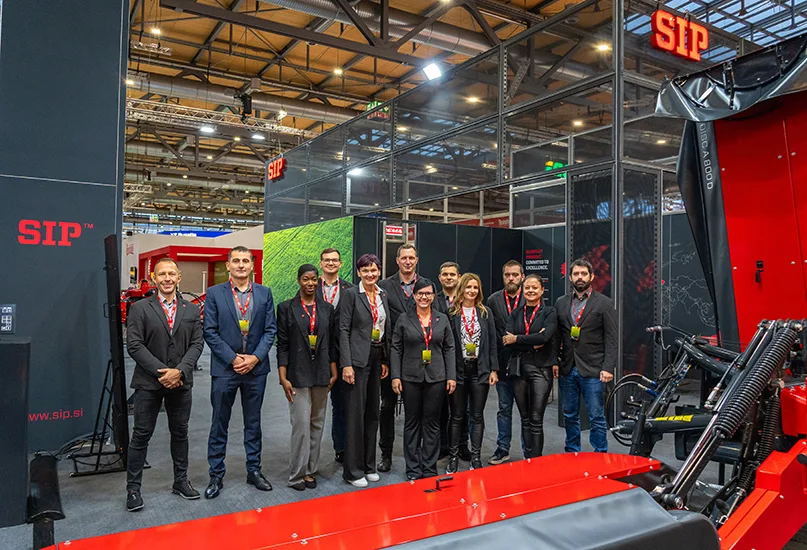
Over the last seven decades, SIP has expertly navigated numerous technological and market shifts, continuously adapting – from licensed production in the 1960s to today’s in-house development and manufacturing excellence.
“We aim to build on our legacy by staying true to our key characteristics of robustness, practical solutions, and close ties to agriculture, whilst further enhancing our expertise through innovation, digitalisation, and people development – ensuring our success in the decades to come,” Cosovici assesses.
After two difficult years in 2023 and 2024, SIP was among the few companies in the agricultural machinery sector to reverse the trend in 2025, achieving an impressive 10 percent revenue growth.
Forecasts for the current season are promising, with the company’s order book doubling already compared to last year.
“Moving forward, we remain cautiously optimistic. As a specialist in a niche segment, we do not aim to diversify our core product portfolio produced in Slovenia, but we are focused on expanding into new markets and actively managing market-related risks,” he concludes firmly.
This company profile was produced by the editorial team at Manufacturing Outlook, a publication within the Outlook Publishing global network of B2B industry magazines.
Outlook Publishing showcases organisations and leadership teams shaping sectors including manufacturing, mining, construction, healthcare, supply chains, food production, and sustainability.
Manufacturing Outlook explores the companies, technologies, and leaders transforming the global manufacturing sector.