

The Iran war has raised European natural gas costs by 70%. This is a major issue for manufacturing businesses, which rely on imported gas for industrial heat. But this obstacle offers an opportunity.
Decarbonising supply chain heat has been considered too challenging, and the business case not strong enough to achieve board-level approval at any meaningful scale. This has meant heat decarbonisation has lagged behind other areas of carbon reduction and energy transformation.
The current energy price shocks are changing the economics, making decarbonising industrial heat a no brainer from a cost, environmental and operational resilience perspective.
For manufacturing businesses looking to balance sustainability with energy costs there are several viable options. Renewable energy power purchase agreements can generate significant energy cost savings, and on-site generation, solar PV, biomass boilers, solar thermal, heat pumps and switching fuels to biomethane are becoming increasingly convincing in terms of cost and security of energy supply. There is also a lot that can be achieved through simple energy efficiency actions.
Decarbonising heat is now business critical. Besides mitigating the impact of O&G price surges, manufacturers and suppliers are evaluating supply chains to eliminate reliance on imported O&G to protect operations, profits and the environment.
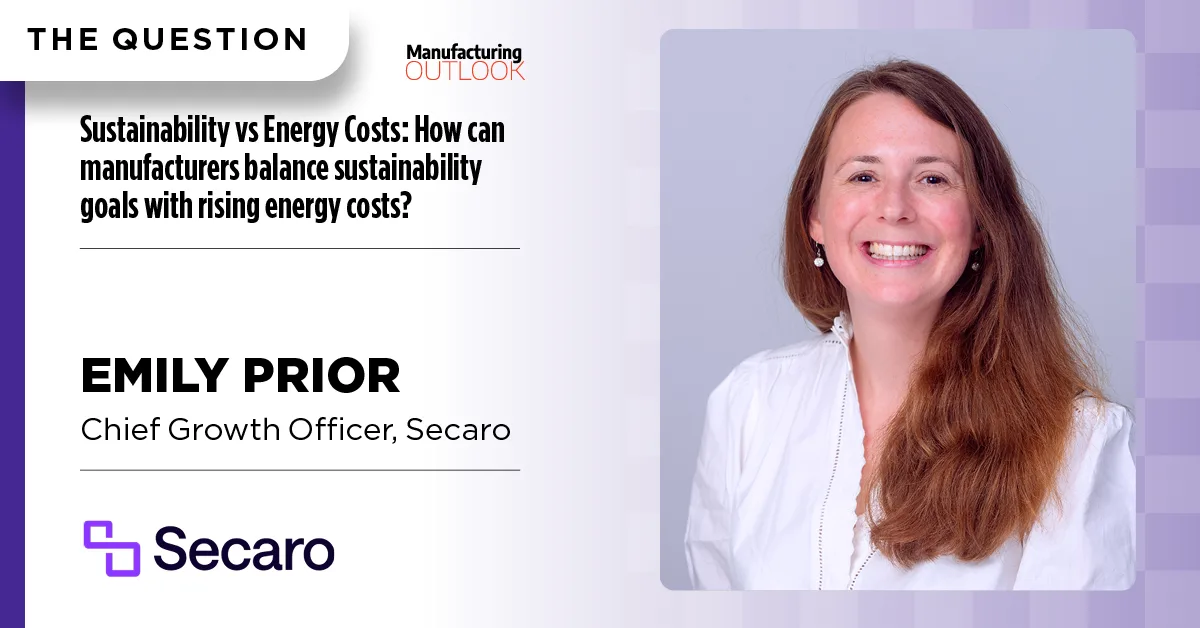
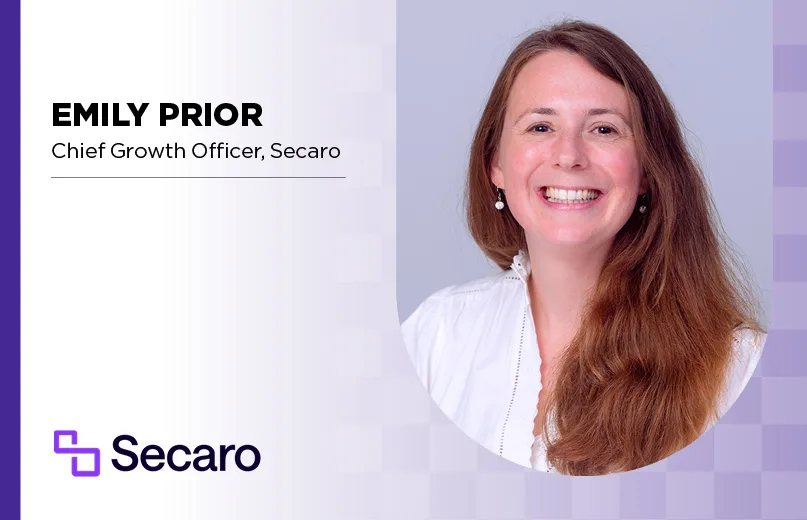
Emily Prior
Chief Growth Officer, Secaro
About Emily Prior
Emily Prior is a growth-focused executive leader with international experience delivering social impact. She has worked at Secaro for nearly 10 years, leading the development of innovative, commercial partnerships that accelerate digital solutions for supply chain decarbonisation to drive climate action at scale.
About Secaro
Secaro is a supply chain intelligence network helping organizations decarbonize by combining data, AI, and collaboration in one ecosystem. It reduces the cost and complexity of supply chain decarbonization for the pharmaceutical, automotive, consumer goods, and retail sectors.
The Question is a thought leadership series published on Manufacturing Outlook, created to explore the questions shaping global production, industrial innovation, automation, and operational excellence.
Manufacturing Outlook features leadership insights and company stories from organisations driving progress across manufacturing, engineering, automotive, aerospace, maritime, and advanced industrial sectors.
Produced as part of the Outlook Publishing global network of B2B industry magazines, The Question brings focused executive insight to audiences engaged with the companies, technologies, and decisions shaping the future of manufacturing.