


Manufacturers can work towards sustainability without losing control of energy costs. Start with the basics: improve efficiency, be smart about where energy comes from, and pay attention to what the data shows. The quickest win is usually energy efficiency. That might mean upgrading old equipment, fine-tuning processes, or using real-time monitoring to better manage energy use, including shifting operations to off-hours when it makes sense. These changes can lower costs whilst helping reduce emissions.
Manufacturers are also looking at renewable energy beyond its sustainability value as a way to make costs more predictable. On-site solar, off-site renewable sourcing, or long-term PPAs can protect against price swings. Whilst it may require more upfront investment, these options create stability over time and support long-term sustainability efforts.
They also help to focus on areas that will make the biggest difference first – energy-heavy processes, waste, or supply chain points that have the biggest environmental and financial impact. That way, resources are going towards improvements that matter.
In the end, sustainability and cost control don’t have to work against each other. When approached thoughtfully, they can support one another – helping manufacturers become more efficient, resilient, and better positioned for the future.
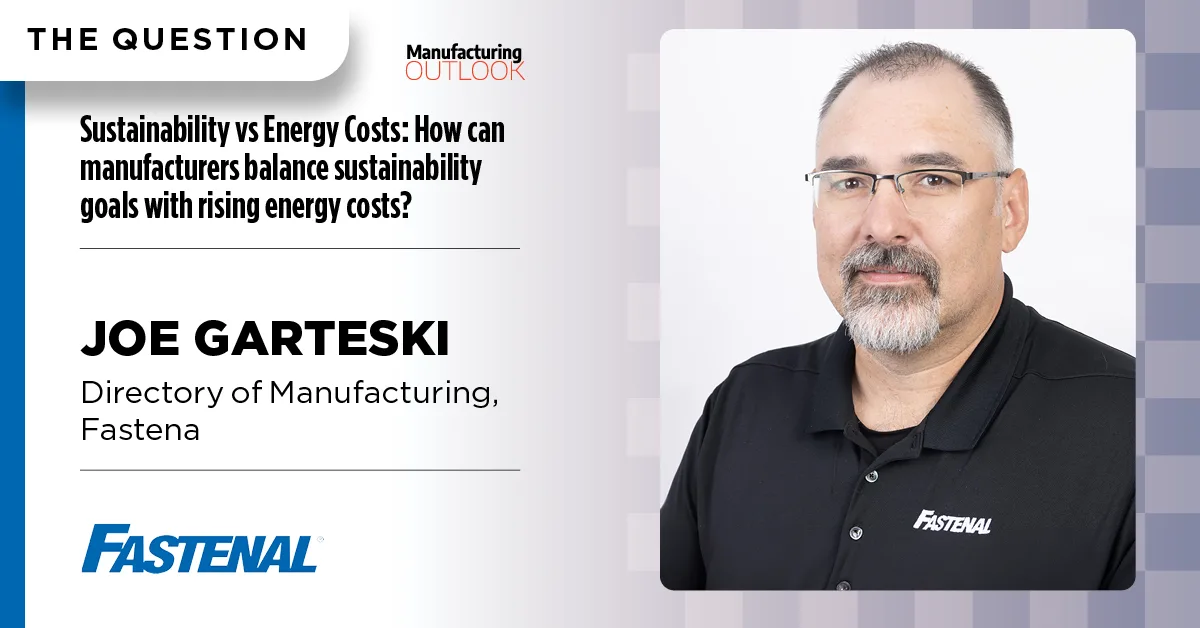
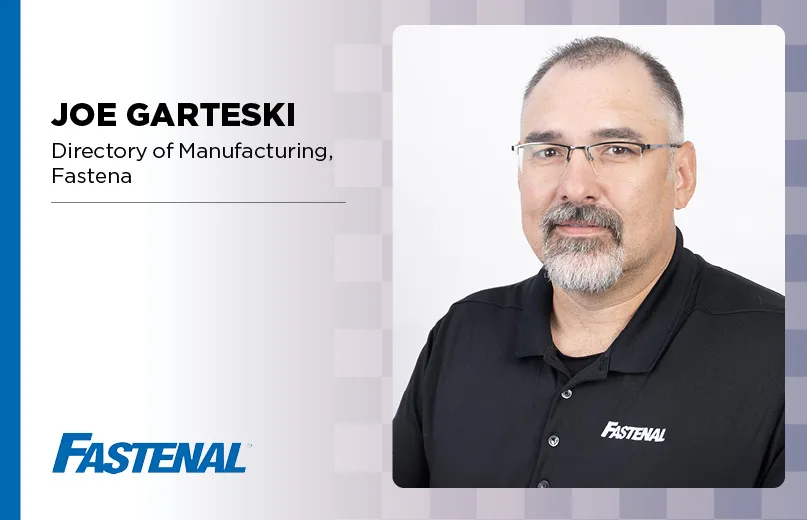
Joe Garteski
Director of Manufacturing, Fastenal
About Fastenal
Fastenal helps organisations worldwide reduce cost, risk, and supply chain constraints. With extensive local presence and embedded technology, the company delivers tailored solutions, combining great people, close to your business, with world-class logistics, technology, and resources.
The Question is a thought leadership series published on Manufacturing Outlook, created to explore the questions shaping global production, industrial innovation, automation, and operational excellence.
Manufacturing Outlook features leadership insights and company stories from organisations driving progress across manufacturing, engineering, automotive, aerospace, maritime, and advanced industrial sectors.
Produced as part of the Outlook Publishing global network of B2B industry magazines, The Question brings focused executive insight to audiences engaged with the companies, technologies, and decisions shaping the future of manufacturing.