Lily Sawyer is an in-house writer for Manufacturing Outlook Magazine, where she is responsible for interviewing corporate executives and crafting original features for the magazine, corporate...
- Senior Editor
Share
Stellantis is reinforcing its North American manufacturing network by expanding stamping capabilities in Michigan, boosting production flexibility, enhancing quality control, and supporting long-term growth across key vehicle programmes.
Stellantis is strengthening the foundations of its North American manufacturing operations through expanded stamping capabilities at its Michigan facilities, reinforcing the production network that supports Chrysler, Dodge, Jeep®, and Ram vehicles across the region.
The latest investment sees the addition of a new blanking press at the Warren Stamping Plant (WSP), increasing in-house production capability while improving quality control and supply flexibility.
The enhancement further cements the strategic importance of Stellantis’ two Michigan stamping facilities, which sit just nine miles apart in metro Detroit and supply essential structural components to assembly plants throughout the US, Canada, and Mexico.
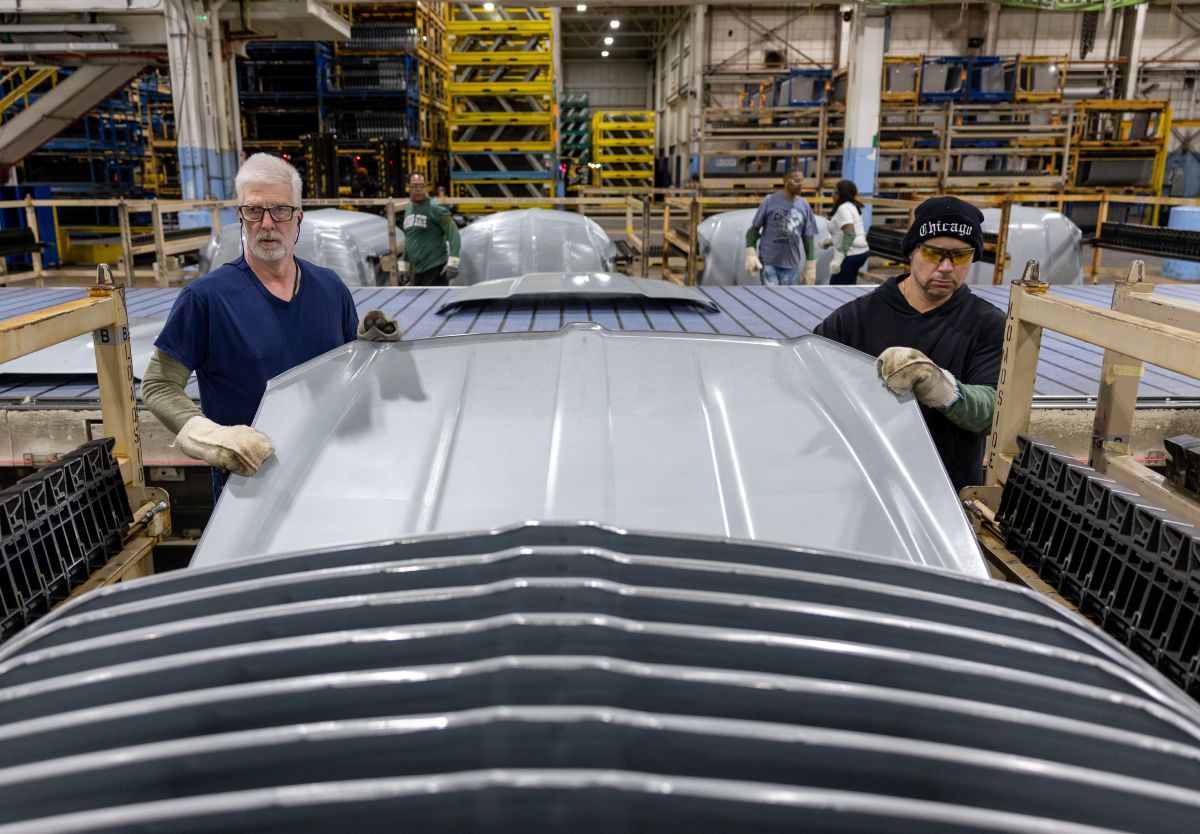
Together, the Sterling Stamping Plant (SSP) and WSP manufacture hoods, doors, liftgates, and numerous other critical body components, ensuring a reliable flow of precision-engineered parts that underpin vehicle production across multiple programmes.
According to Ed Daniels Jr., Vice President of North America Injection and Stamping Operations, stamping is where every vehicle begins.
“Sterling and Warren give our North America operations the scale, speed, and flexibility needed to deliver precision parts on time, support key vehicle programmes, and help drive sustainable, profitable growth”
As Stellantis continues to execute its USD$13 billion US investment plans, Daniels notes that these operations, and the workforce behind them, will remain fundamental to strengthening the company’s manufacturing base and supporting future production growth.
PRECISION AT SCALE
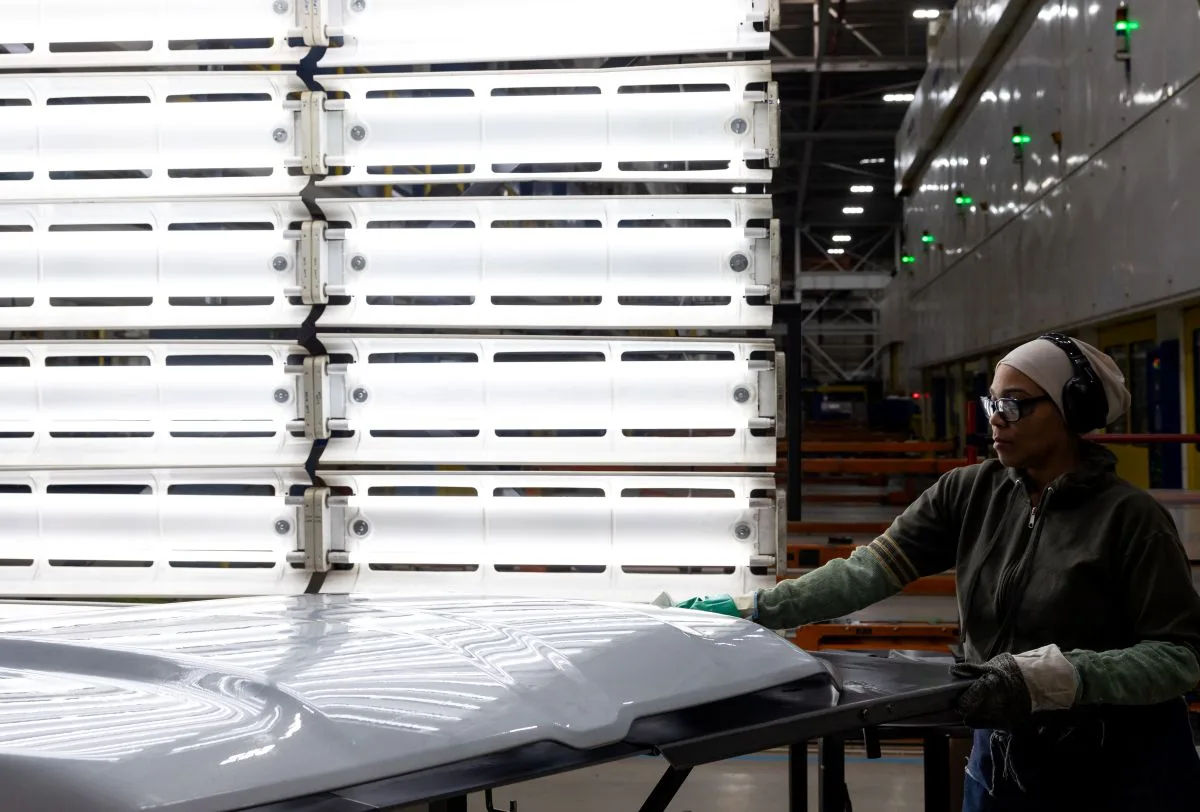
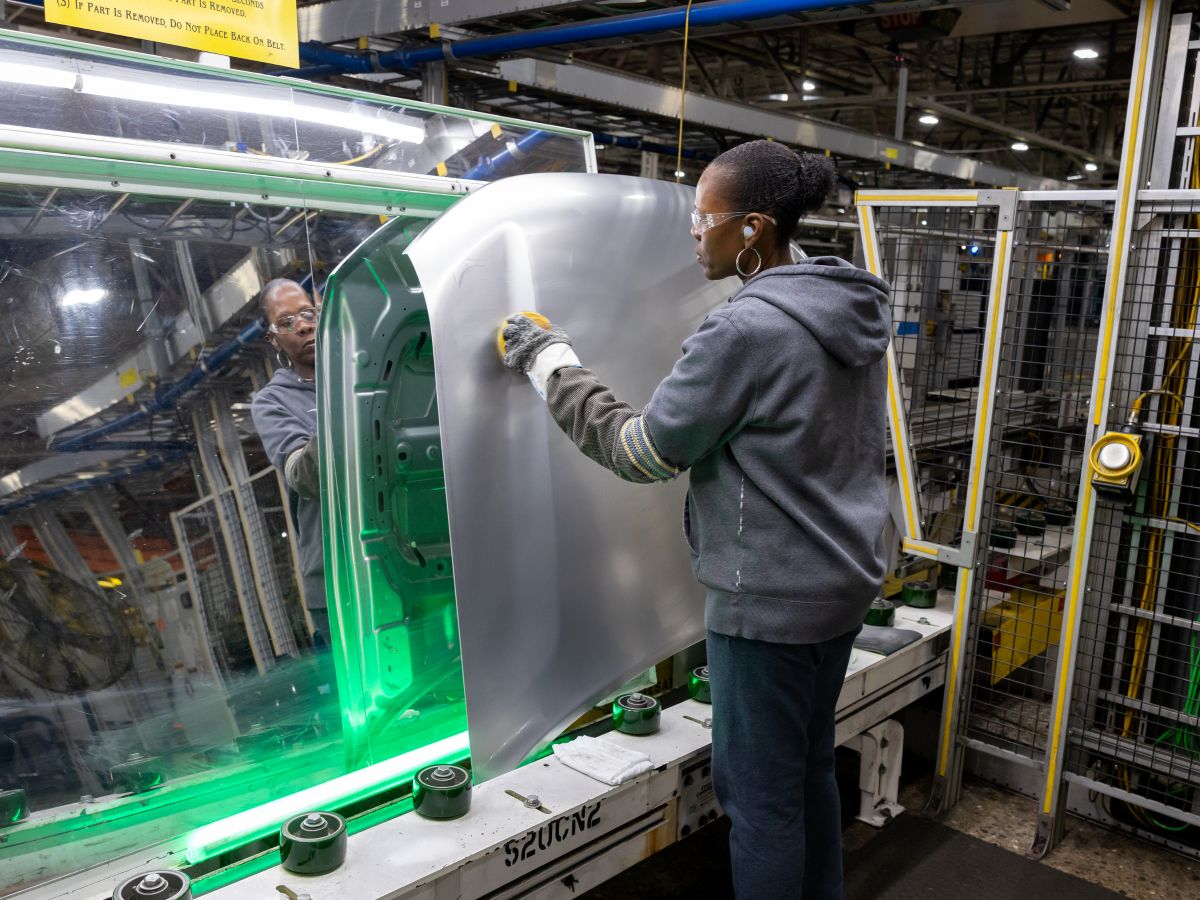
Inside both facilities, enormous coils of steel are transformed through an intricate, high-speed manufacturing process. Fed into powerful press lines, each stroke cuts, shapes, and forms metal into precisely engineered vehicle components before they continue downstream to assembly operations.
Despite the immense force involved, the process follows a carefully coordinated rhythm. Both plants operate across three shifts per day, creating six sequential production shifts that maintain a continuous flow of parts while allowing dedicated periods for equipment servicing and preventative maintenance.
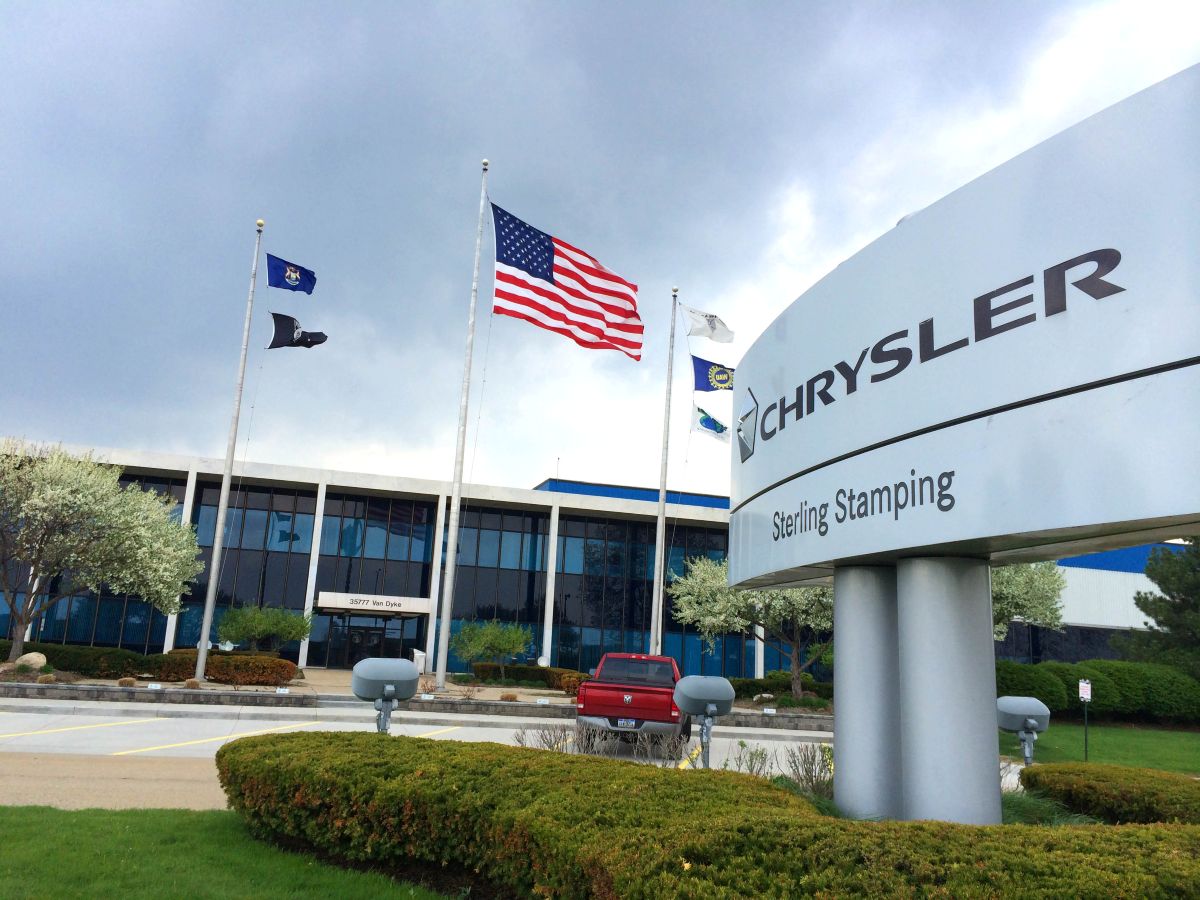
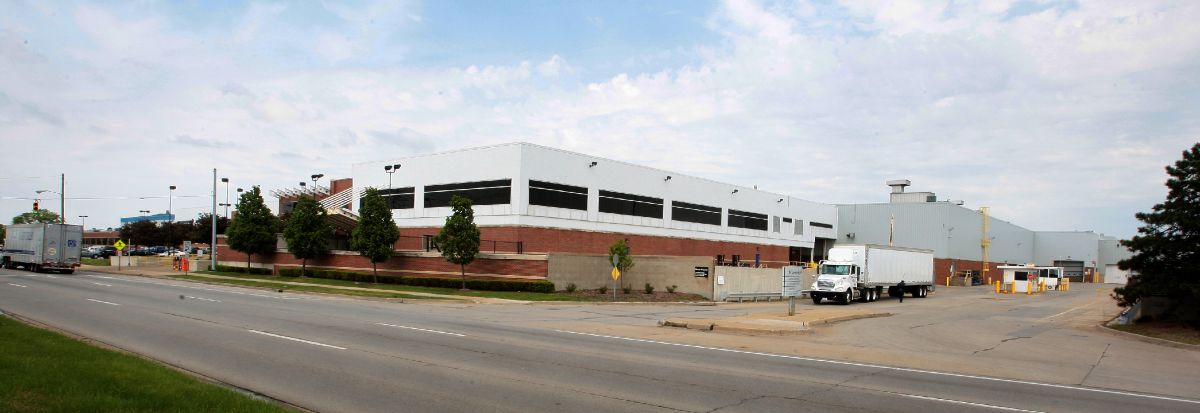
Exterior view Sterling Stamping plant, Michigan
The scale of Sterling Stamping is particularly significant. Covering more than 2.7 million square feet, it ranks among the largest stamping facilities anywhere in the world. Its extensive footprint enables simultaneous support for multiple vehicle programmes, producing millions of components each year while maintaining the consistency required to keep assembly plants operating efficiently throughout North America.
Warren Stamping, meanwhile, provides a different competitive advantage.
Exterior view Warren Stamping plant, Michigan
The facility houses one of the world’s fastest high-speed transfer press lines, known internally as the “Hellcat”, capable of moving up to 15 parts per minute while maintaining the tight tolerances demanded by modern vehicle design.
The newly installed blanking press further enhances this capability by allowing flat metal blanks to be produced on-site before progressing directly into the forming process.
According to Curtis Booth, Vice President and Plant Manager at Warren Stamping Plant, the additional equipment substantially expands the plant’s manufacturing potential.
“Together, the Hellcat line and the new blanking press give WSP the ability to both prepare and form critical vehicle components within a highly integrated manufacturing operation”
The new press is capable of producing between 4.5 million and 6 million parts annually for vehicles including the Ram 1500, Jeep Wrangler, Jeep Gladiator, and Jeep Grand Cherokee.
Combined with the Hellcat line, the blanking press creates a highly integrated manufacturing operation capable of preparing and forming critical vehicle components within a single facility.
QUALITY BUILT INTO EVERY STAGE
Alongside greater production capacity, the investment also reinforces Stellantis’ focus on manufacturing quality.
From the moment raw metal enters either plant, production teams monitor every stage of the process using a combination of skilled craftsmanship and advanced inspection technologies designed to identify even minor variations before components progress to final assembly.
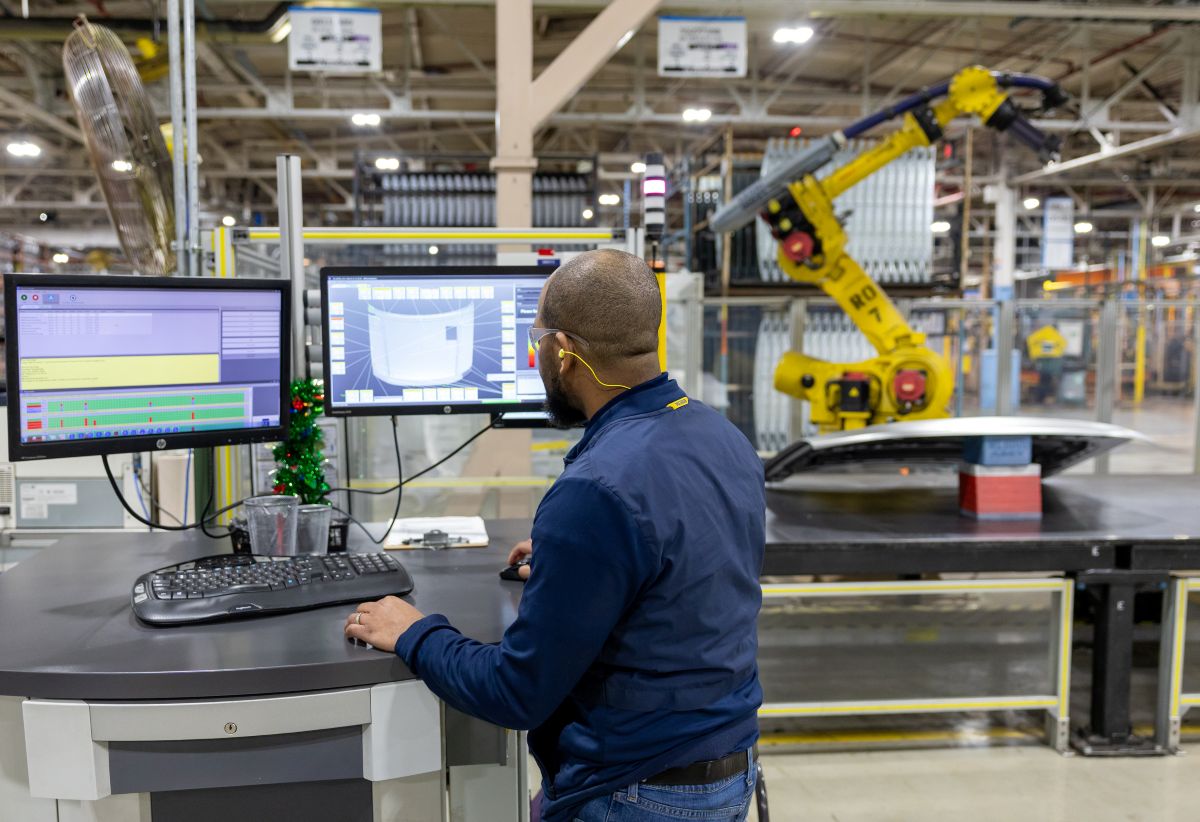
Among the most sophisticated tools deployed is the Automated Body Inspection System (ABIS), which captures detailed images and analyses component geometry throughout production.
Acting as a critical quality checkpoint, the system enables teams to detect and resolve potential issues early, helping ensure every component meets exacting manufacturing standards before reaching assembly plants.
However, while advanced technology plays an increasingly important role, Stellantis continues to place equal emphasis on the expertise of its workforce.
Greg Bauer, Vice President and Plant Manager at Sterling Stamping Plant, credits employees for maintaining consistent performance across every production shift.
“Our workforce is what makes an operation like this possible. There’s a level of ownership and pride across every shift that ensures we’re delivering the same quality and performance at all times”
Greg Bauer, Vice President and Plant Manager at Sterling Stamping Plant, Stellantis
He highlights the strong sense of ownership shared throughout the facility, ensuring the same high standards of quality and operational excellence are delivered around the clock.
SUPPORTING LONG-TERM GROWTH
The expanded capabilities at Warren and the continued scale of Sterling extend beyond today’s production demands. Together, the facilities play an important role in achieving the North America volume growth targets outlined in Stellantis’ FaSTLAne 2030 strategy.
By increasing internal production flexibility, strengthening quality assurance, and enhancing supply resilience, the two stamping plants provide a manufacturing platform capable of supporting multiple vehicle programmes as Stellantis continues investing in its North American operations.
Although customers rarely witness the stamping process itself, it represents one of the earliest and most critical stages of vehicle manufacturing. Every precisely formed panel and structural component produced at Sterling and Warren contributes directly to the craftsmanship, performance, and reliability expected from Chrysler, Dodge, Jeep®, and Ram vehicles.
As Stellantis continues to invest in advanced manufacturing technologies while building on the expertise of its workforce, Michigan’s central stamping operations remain integral to the company’s long-term manufacturing strategy, providing the precision, scale, and flexibility needed to support the next generation of North American vehicle production.
This article was produced by the editorial team at Manufacturing Outlook and published as part of the Outlook Publishing global network of B2B industry magazines.
Outlook Publishing delivers industry insights, company stories, and sector coverage across manufacturing, mining, construction, healthcare, supply chains, food production, and sustainability.
Manufacturing Outlook provides ongoing coverage of organisations and developments shaping the global manufacturing industry.
Lily Sawyer is an in-house writer for Manufacturing Outlook Magazine, where she is responsible for interviewing corporate executives and crafting original features for the magazine, corporate brochures, and the digital platform.