



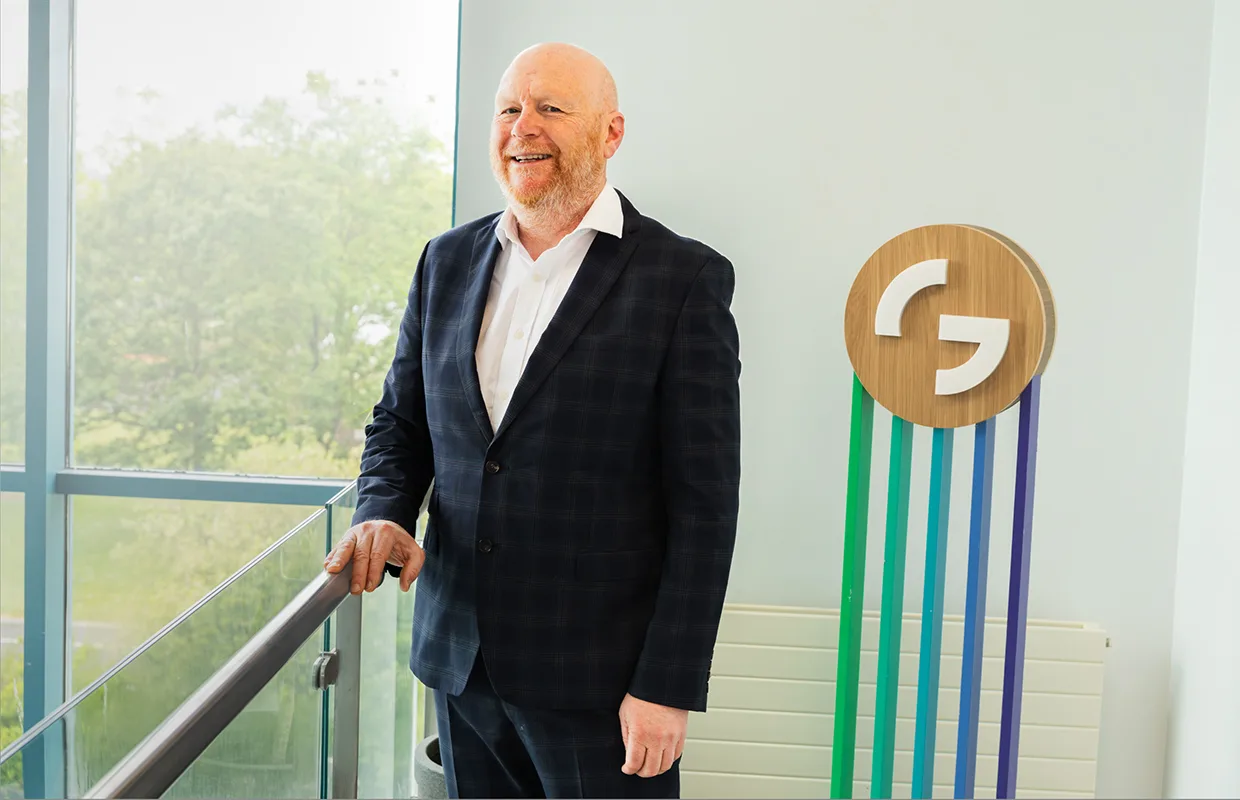
Owen Power, CEO of Greenvolt Next UK and Ireland, discusses how the right energy choices can give a competitive advantage in a volatile market.
Q&A WITH OWEN POWER, CEO, GREENVOLT NEXT UK AND IRELAND
Firstly, what do you hear from manufacturing customers – has this level of volatility become the new normal?
Owen Power, CEO (OP): Absolutely – manufacturers and industrial customers increasingly see energy market volatility as a recurring reality with real impacts on their business. That is driving a clear shift in mindset and is one of the main reasons we’re seeing growing demand for on-site generation and other distributed energy solutions.
Sustainability remains an important part of the conversation, but the focus has shifted. Companies are looking at how they can reduce energy costs whilst gaining greater control and predictability over them, and that’s exactly why we’re seeing such strong momentum behind these solutions.
Why should manufacturers treat energy as a strategic business issue?
OP: Energy directly affects business competitiveness. It influences production costs, profit margins, investment decisions, and long-term planning.
Manufacturers have always managed raw materials and supply chains strategically, and energy should be managed in exactly the same way.
What are the risks of staying exposed to energy price swings?
OP: Uncertainty is certainly one of the biggest risks. When businesses cannot predict a significant share of their energy costs, planning becomes more difficult and capital allocation decisions become more challenging.
But price volatility is only part of the equation. The bigger issue is exposure to the market, including security and resilience of supply. That’s why more businesses are investing in on-site solutions, not only to reduce energy costs, but also to increase their energy independence and reduce their reliance on the market and the grid.
How can on-site energy generation give businesses more control?
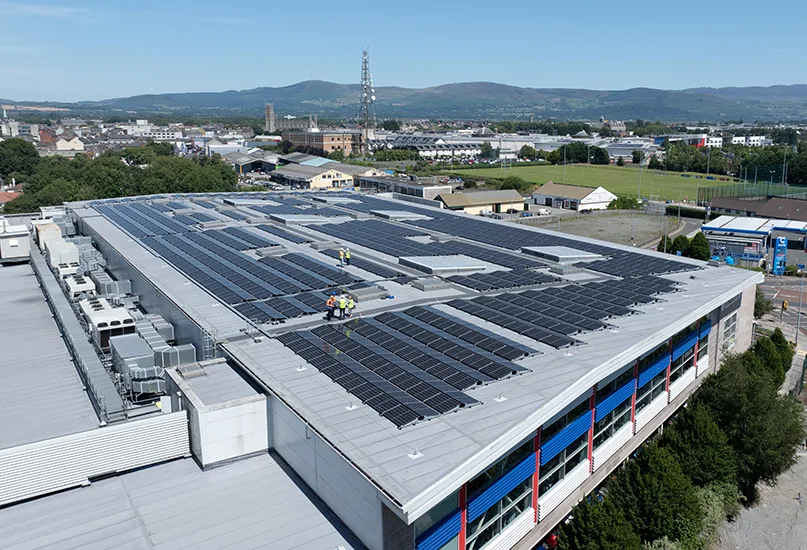
OP: On-site generation allows businesses to start producing part of the energy they consume, right where they need it. That immediately reduces energy costs and exposure to the market. In today’s environment, where uncertainty has become part of doing business, that is a significant advantage.
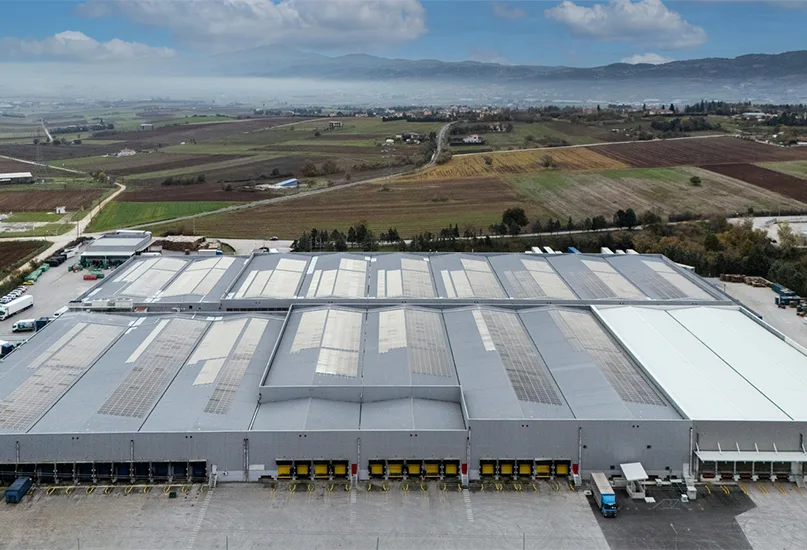
It also makes better use of existing assets. A roof that was simply covering a factory can now generate clean electricity every day. It’s about creating more value from the same asset – economic, environmental, and business value.
When all of this can also be achieved without upfront investment through a power purchase agreement (PPA), it’s clear why demand for these solutions continues to grow, both in the UK and across many other markets.
How quickly is on-site energy technology for manufacturers developing?
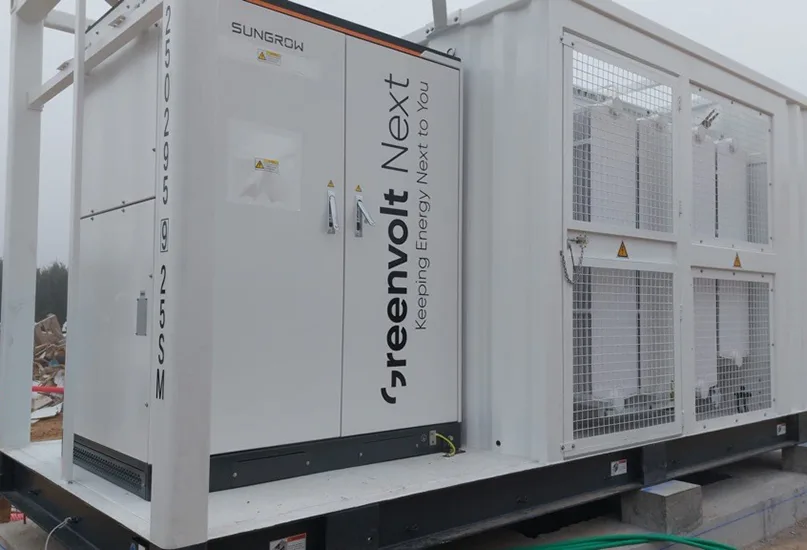
OP: Technology has matured to the point where it’s no longer the main challenge. Solar, battery storage, and energy management systems, amongst others, are already proven, highly reliable, and more cost-effective than ever, with increasingly attractive payback periods.
Today, the focus is on integration and how businesses can bring these technologies together to maximise value and achieve the best economic outcome for their operations.
“Technology has matured to the point where it’s no longer the main challenge”
Owen Power, CEO of Greenvolt Next UK and Ireland
How much of a site’s energy demand can solar realistically cover?
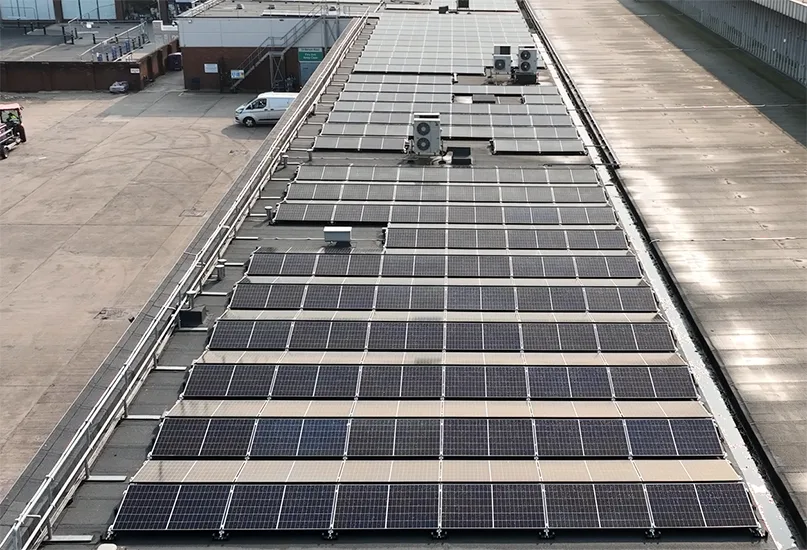
OP: It depends on the business. Every site has different energy needs, operating hours, and available space, so there isn’t a single percentage that applies to everyone. We have customers where solar covers around 25 percent of their electricity demand, and when battery storage is added, that share can increase even further.
The important point is that solar doesn’t have to meet 100 percent of demand to create significant value. Even supplying part of a site’s electricity needs can significantly reduce energy costs, improve predictability, and strengthen competitiveness.
What benefits does battery storage add to on-site generation?
OP: Battery storage allows businesses to get even more value from the energy they generate. Instead of using it only when it’s produced, they can store the energy and use it when it creates the most value, for example during periods of higher demand or when electricity prices are higher.
That increases self-consumption, further reduces reliance on the grid, and improves the overall value of the on-site energy system.
The role of battery storage will naturally depend on each business’ consumption profile. For some manufacturers, such as those operating 24/7 or with higher demand during peak periods, the benefits can be even greater.
Why is now a good time to invest in on-site energy solutions?
OP: I think the conditions have never been stronger. Businesses are looking for greater control over their energy costs, whilst the technology is mature, reliable, and more cost-effective than ever. At the same time, financing models such as PPAs have made these solutions accessible without requiring upfront investment.
The combination of economics, technology, and timing makes the business case stronger than ever. In many cases, the only thing left is the decision to move forwards. The energy crises of recent years have undoubtedly accelerated that shift in mindset, and businesses increasingly recognise that waiting rarely reduces uncertainty.
From our perspective, the fundamentals remain very strong, making this an excellent time to invest in on-site energy solutions.
“The important thing is having the flexibility to deliver the solution that best fits each customer’s strategy and investment priorities”
Owen Power, CEO of Greenvolt Next UK and Ireland
How do PPAs make these projects more accessible?
OP: PPAs remove one of the biggest barriers to adoption: upfront investment. Businesses don’t need to invest their own capital to benefit from on-site generation. Instead, they purchase the electricity produced at an agreed long-term price, giving them immediate savings and greater cost predictability.
It’s a model that works well for both sides. Customers gain access to renewable energy with no upfront investment, whilst we develop, finance, operate, and maintain the system throughout the lifetime of the agreement, typically between five and 20 years.
That said, every business is different. Some customers prefer to own the asset from day one through an energy performance contracting (EPC) model, and that’s equally part of our offering. The important thing is having the flexibility to deliver the solution that best fits each customer’s strategy and investment priorities.
Finally, can fixed-price energy help manufacturers gain a significant competitive advantage?
OP: Absolutely. Lower energy costs and greater cost predictability are both powerful competitive advantages. Together, they allow businesses to plan with greater confidence, protect margins, and make better long-term investment decisions.
That’s why energy is no longer simply an operating cost. Managed strategically, it becomes a source of long-term competitive advantage.
This article was produced by the editorial team at Manufacturing Outlook and published as part of the Outlook Publishing global network of B2B industry magazines.
Outlook Publishing delivers industry insights, company stories, and sector coverage across manufacturing, mining, construction, healthcare, supply chains, food production, and sustainability.
Manufacturing Outlook provides ongoing coverage of organisations and developments shaping the global manufacturing industry.